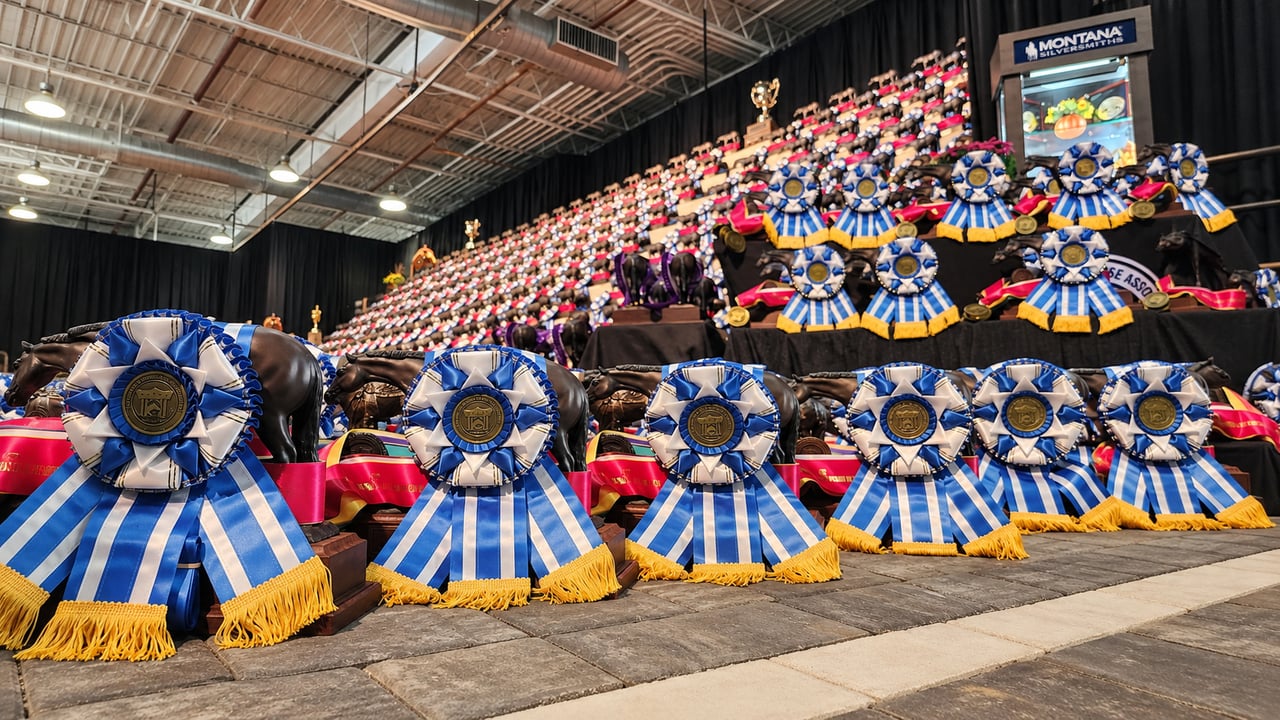
Every fall, the traffic around the Ohio Expo Center starts to look different. Horse trailers and campers squeeze in along the 17th Avenue parking areas before sunrise, barn aisles fill with golf carts and tack stalls, and trainers, owners and exhibitors arrive from across the country to spend the better part of a month in Columbus.
The All American Quarter Horse Congress is the world's largest single-breed horse show. The 2026 Congress runs September 26 through October 24, drawing more than 28,000 entries and more than 500,000 visitors to the area, with an estimated annual economic impact on Central Ohio of more than $426 million.
Those numbers are impressive on their own. But for those of us who have lived in the horse world here, Congress is part of Central Ohio's identity. It's the stretch of the year that gets blocked off on the calendar months in advance, when old friends turn up in the barns and everyone finds a reason to be at the fairgrounds.
What Congress makes especially visible is something that is here all year: one of the deepest equestrian communities in the Midwest.
Columbus at the Center of the Horse World
For a few weeks each fall, Columbus becomes the destination for people whose careers and families revolve around horses. Competition spans multiple disciplines, more than $5 million in cash and prizes is awarded, and the Congress Trade Show covers more than 20 acres with nearly 200 exhibitors selling everything from tack and trailers to show clothing and arena equipment.
Related competition reaches beyond Columbus as well, including Congress Cutting in Eaton and the Congress Super Sort in Jackson.
That concentration of competition, services and experience is one reason Central Ohio works so well for serious horse ownership.
Horse Owners Use a Different Map
Most location conversations in real estate start with commute times, schools and restaurants. Horse owners ask other questions first.
Can a trailer get in and out of the property easily? How far is the nearest equine vet, and where does the hay come from? Is the trainer twenty minutes away or ninety? Which show grounds can be reached without an all-day haul, and are the roads practical for hauling at all?
Then they look hard at the land itself.
Acreage alone doesn't make an equestrian property.
How the ground lays, how it drains, how the pastures are configured, and where the barn sits relative to fencing, water and turnout all shape how a farm functions day to day. An indoor arena can change everything about an Ohio winter. So can having enough room to move horses, equipment and hay without everything competing for the same lane.
Experienced horse owners notice these details within minutes of stepping out of the truck.
Most standard listings never mention them.
Why Central Ohio Works for Horse Owners
One of the region's real advantages is how quickly the landscape changes once you leave the suburban edge.
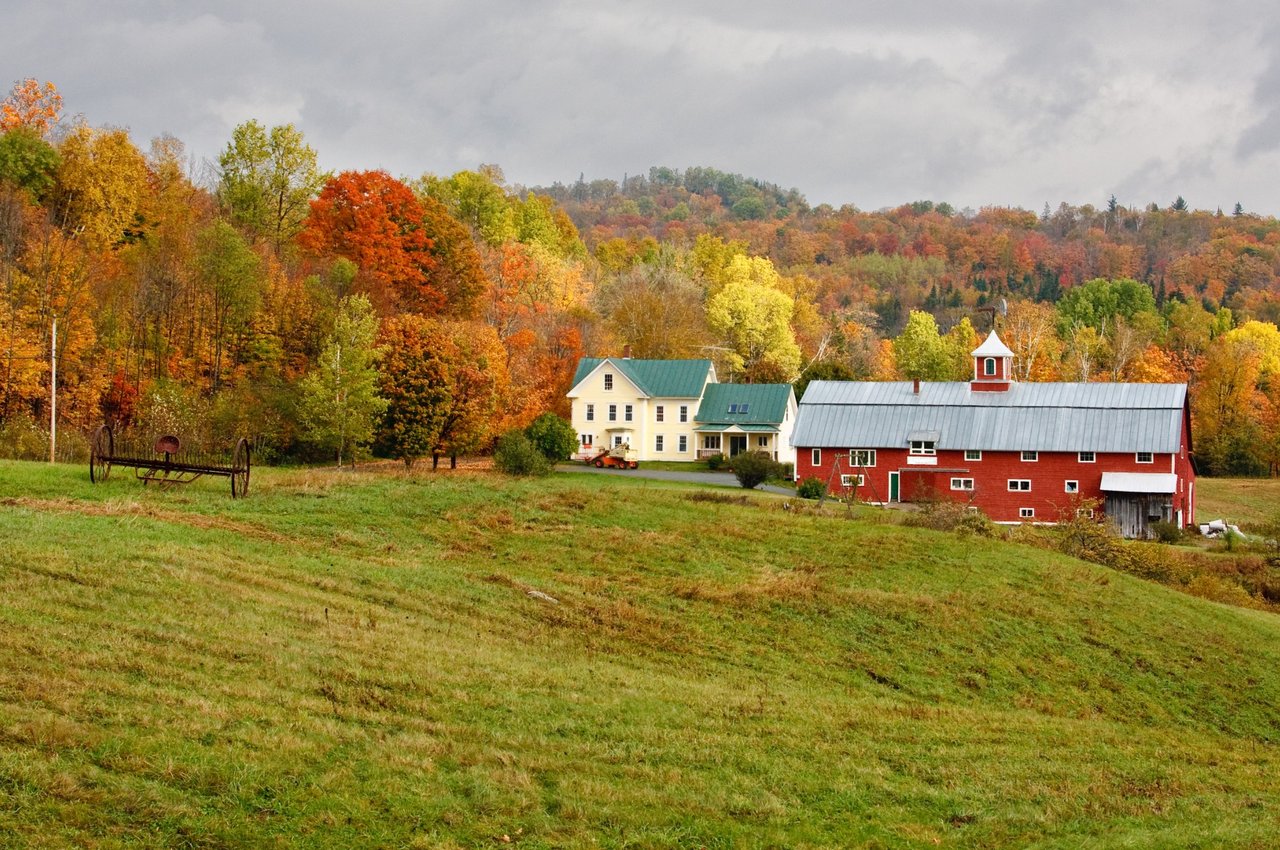
Within a short drive of Columbus, areas around Galena, Sunbury, Johnstown and Alexandria offer everything from smaller horse properties to established farms with barns, arenas, pasture systems and significant acreage. Travel a little farther and the options widen.
The result is an equestrian corridor around the city, defined less by any single road or county line than by a network of farms, trainers, services and open land within reach of serious competition.
Buyers relocating from other parts of the country are often surprised by it. They can stay connected to a major metro area and still find the land and facilities that horse ownership requires.
A Horse Property Is More Than a House With a Barn
Conventional real estate measurements can be misleading in the equestrian market.
Two farms with similar acreage can hold very different value for a horse owner. One may have beautiful land that needs substantial investment before it works for horses, while the other already has well-placed barns, established paddocks, sound fencing, proper drainage, an indoor arena and years of improvements behind it.
Land works the same way.
Fifty usable acres and fifty acres on paper can be very different properties once topography, soils, woods, water and access are taken into account.
Buyers need to understand those distinctions, and sellers need to communicate them. The best equestrian properties carry value that has little to do with bedroom count or square footage.
What matters is how the whole property works.
The Infrastructure Behind the Lifestyle
A Congress win carries enormous weight in the industry, and the competition deserves the attention it gets.
Walk the trade show or the barns, though, and you see the economy that makes the lifestyle possible: trailer manufacturers, fencing and barn builders, feed and bedding suppliers, veterinary practices, arena footing specialists, breeders and trainers.
For anyone considering an equestrian property, that depth matters as much as the acreage.
A farm is only as practical as the community of services around it, and Central Ohio has built that community over generations. Congress reflects it every fall and strengthens it every year it returns.
Congress Through the Years
My Congress memories go back to my college years at the University of Findlay, when I worked the show. Those weeks ran on late-night ride times and the particular excitement of a big class, when everyone in the stands to hold their breath at once.
Dinner was usually the Chinese food stand, and no trip through the grounds was complete without a cinnamon roll.
Years later, I brought my own kids and walked them through the same barns and aisles. We still go. I walk the vendors, shop more than I intend to, and always run into people I've known for decades. Some of them I only see at Congress, and every year we pick up right where we left off, as though no time has passed.
That's the part of Congress that's hard to explain to someone outside the industry. It is a temporary community built around a very permanent way of life.
That same sense of a life organized around horses is what separates a true equestrian property from simply a house with acreage. The barn, pasture, arena, fencing and access aren't extras. They become part of daily life.
For one month each fall, the Quarter Horse Congress brings that world into the middle of Columbus.
The rest of the year, much of it is already here.
2026 All American Quarter Horse Congress
September 26–October 24, 2026
Ohio Expo Center, Columbus, Ohio
Schedules, competition details and visitor information are on the official Congress website.
If you're considering buying or selling an equestrian property in Central Ohio, understanding how the land, facilities and location work together matters. Explore our guide to equestrian real estate in Central Ohio, or Start a Conversation with Ludwig Real Estate Group.