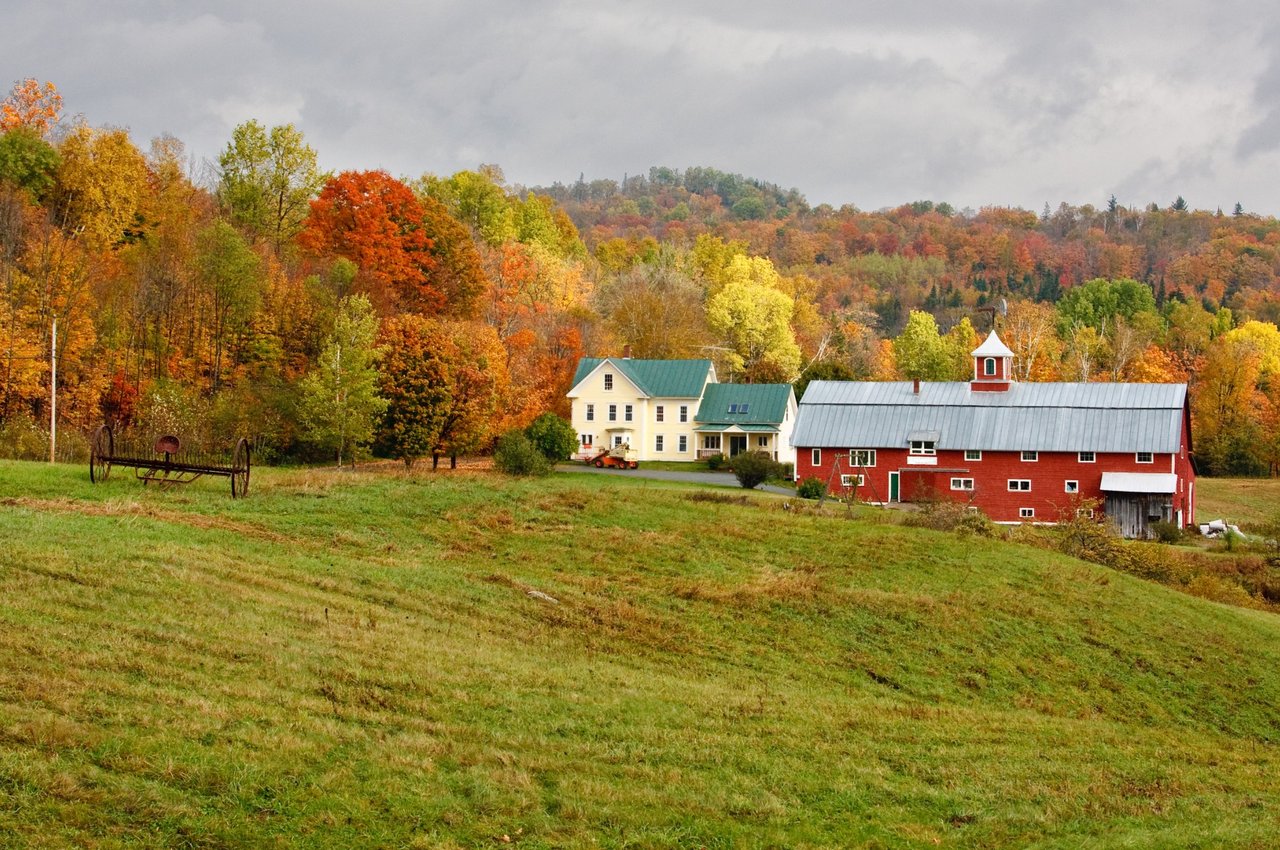
A family farm may have been in the same hands for fifty years. The fields are familiar, the barns have their own history, and the property has been part of family life for generations. But when that land passes to the next generation, the decisions surrounding it can become surprisingly complicated.
Some heirs want to preserve the property. Others live out of state or have no plans to farm it. There may be questions about value, ownership, agricultural leases, or whether the land can be divided.
Selling inherited land or a longtime family estate involves more than settling on an asking price. Understanding what the family owns, how the property can be used, and what needs to be resolved before a sale often shapes the outcome as much as the price itself.
The growing significance of inherited property is showing up in national real estate research. According to the National Association of REALTORS® 2026 Profile of Home Buyers and Sellers, inherited wealth is playing an increasingly important role in homeownership. Among first-time buyers who purchased with cash, 28% used an inheritance to help fund their purchase.
While these figures reflect national homebuying trends, they also bring attention to the decisions families face when wealth and property pass between generations. For families inheriting farms, acreage, and longtime estates in Delaware County and throughout Central Ohio, those decisions often go well beyond whether to sell.
Understanding What the Family Owns
A property that has remained in one family for decades may have circumstances that are not immediately apparent. There may be multiple parcels, agricultural leases, shared access agreements, or buildings that have served different purposes over the years. A neighboring farmer may have worked the ground under a longstanding verbal arrangement. An old farmhouse might rely on a private well and septic system that has not been evaluated recently.
The first step is often simply gathering information. Before recommending a sale, we want to understand the property itself. How is the land currently used? Are there existing agreements with neighboring property owners? Can parcels be sold independently? Are there restrictions that affect future use?
Conservation easements, deed restrictions, and agricultural zoning can also influence what a buyer may do with the property. A conservation easement, in particular, may permanently limit development or subdivision while allowing certain agricultural and recreational uses. These details matter because they affect both market value and the audience most likely to appreciate the property.
Understanding CAUV on Inherited Farmland
Many farms in Ohio are enrolled in the Current Agricultural Use Valuation program, commonly known as CAUV. The program allows qualifying agricultural land to be taxed based on its agricultural use rather than its potential market value, and the savings can be substantial. That status deserves attention when land changes ownership.
Selling a farm does not automatically end its CAUV qualification, though a new owner must satisfy the eligibility and filing requirements to continue receiving the benefit. When land no longer qualifies for agricultural use valuation, Ohio generally imposes a recoupment charge based on the tax savings from the preceding three years.
The issue is particularly relevant in Delaware County. According to a January 2026 analysis by the Ohio Legislative Service Commission, Delaware County accounted for 13% of statewide CAUV recoupment charges in tax year 2024, the largest share of any Ohio county. It is a telling measure of the pressure on agricultural land in one of Central Ohio's fastest-growing areas.
For families considering a sale, especially when a buyer may have plans for development or another nonagricultural use, understanding the property's CAUV status and any potential recoupment should be part of the conversation before entering into a contract. Responsibility for those charges is worth discussing with the county auditor, the title company, and the family's legal or tax advisors.
Why Title Matters Before Selling Inherited Land
A preliminary title search is an important early step, and it is often where families learn something new about a property they have known for years. It may reveal easements, rights-of-way, mortgages, or other recorded interests that no one in the family was aware of. On older agricultural properties, mineral rights may have been separated from surface ownership generations earlier. Utility easements, drainage agreements, or access rights may also affect how portions of the land can be used.
Another consideration is the property's legal description. Some farms still have descriptions prepared many decades ago, and depending on the description and the county's conveyance requirements, an updated survey may be necessary before the property can transfer. Surveys of larger or irregular parcels can take time, particularly when boundary questions or multiple parcels are involved.
These issues do not necessarily prevent a sale, but discovering them after a property is under contract can complicate the transaction and delay closing. We prefer to identify potential title and survey concerns early enough that the family and its advisors have time to address them.
Valuing an Inherited Farm or Estate in Central Ohio
Establishing market value can be one of the more challenging aspects of selling inherited land. Families often begin with a figure based on a nearby sale, a county auditor's valuation, or an online estimate. Those numbers offer some context, but on a large acreage property they leave out much of what actually drives value.
Land values are influenced by a combination of factors, including location, road frontage, topography, drainage, soils, productive farmland, wooded acreage, access, utilities, improvements, and permitted uses. The residence and outbuildings also require individual consideration. A well-maintained historic home, functional equestrian facilities, or agricultural buildings suited to continued use may contribute significantly to a property's appeal.
Understanding the likely buyer matters just as much. A working farmer may place the greatest value on productive acreage and the ability to expand an existing operation. An equestrian buyer may be looking for usable pasture, established facilities, and a convenient location. Someone seeking a private country estate may care more about the setting, residence, privacy, and long-term enjoyment of the property. A property with development potential introduces another set of considerations, including zoning, road access, utilities, and subdivision requirements.
Two properties with similar acreage can have very different market values because they appeal to different buyers. Understanding which buyers are most likely to recognize the property's value helps inform both pricing and marketing strategy. This is particularly true of one-of-a-kind estates, where close comparable sales may be scarce.
Market Value and Estate Appraisals Are Different
Families should also understand the distinction between a property's current market value and its value for estate or tax purposes. An attorney or CPA may recommend a formal appraisal establishing the property's value as of the date of death, which can be important for tax basis and estate administration. A real estate market analysis serves a different purpose. It considers current market conditions, comparable sales, buyer demand, and how the property might compete if offered for sale. Both are useful, but they should not be confused.
Probate and the Timing of an Ohio Estate Sale
How and when inherited real estate can be sold depends in part on how ownership was established. Property held in a trust or transferred through a properly recorded Transfer on Death Designation Affidavit may pass to beneficiaries outside probate. Other properties may require administration through the county probate court, where the authority to sell, the required approvals, and the timing depend on the circumstances of the estate.
An estate attorney should guide these legal questions. From a real estate standpoint, however, much of the preparation can begin while the estate is being administered. Title research, surveys, property evaluation, discussions about repairs, and marketing plans may all be underway before the family has the legal authority to complete a sale, which helps avoid unnecessary delays once the property is ready to move forward.
When Property Changes Hands During a Parent's Lifetime
Not every family property transfers following a death. Sometimes a parent decides to sell a farm or longtime residence before moving to a smaller home or assisted living. In other situations, an adult child is helping manage the property under a power of attorney, or the family is considering transferring ownership to the next generation.
These decisions may carry financial consequences that are not immediately obvious. Property gifted during an owner's lifetime can receive different tax treatment from property inherited after death, and transfers may also affect estate planning and eligibility for certain long-term care benefits. A power of attorney must provide appropriate authority for real estate transactions, and the title company will generally review the documentation before closing.
We encourage families to involve their attorney and CPA before transferring ownership. A decision that appears straightforward today can have significant implications when the property is eventually sold.
When Family Members Have Different Plans for the Property
Inherited property often comes with more than one opinion about what should happen next. One family member may want to keep the farm. Another may need the proceeds from a sale. Someone living out of state may have little interest in maintaining the property, while another heir hopes to continue the family's connection to the land. These are understandable differences, particularly when the property has been part of the family's history for generations.
Sometimes the family has not decided to sell at all. One heir may be interested in purchasing the others' shares, or the family may want to explore retaining the land under a different ownership arrangement or selling a portion of the property, where legally permitted.
Before those decisions can be made, everyone needs a realistic understanding of what the property is worth, what it costs to maintain, and what options may be available. Our role is to provide clear, consistent market information that allows family members to evaluate those choices together. We also work to establish early who has the authority to make decisions and sign documents, whether that is a trustee, executor, administrator, or the individual owners. Not every family will reach the same conclusion, but good information shared early makes those conversations more productive.
Preparing a Longtime Family Estate for Sale
Preparing a property that has been in one family for decades is quite different from getting a conventional home ready for market. There may be years of accumulated belongings, buildings that have not been used recently, deferred maintenance, or landscape features that require attention.
There is also the personal side of the process. A house may contain generations of furnishings and family possessions, and an old barn or outbuilding may hold equipment that has not been moved in years. Deciding what to keep, distribute, sell, or remove can take more time than anyone initially expects.
Kelly's years managing private estates for a family office have shaped how we approach this stage. There is often a real gap between what a family feels obligated to repair and what a buyer will actually value. On some properties, thoughtful cleanup, landscape maintenance, and a few targeted repairs can noticeably improve presentation. On others, particularly where the land represents much of the value, extensive renovations may not be justified.
Historic homes and significant estates require another level of consideration. Original architectural details, mature landscapes, period materials, and longstanding improvements may be central to the property's character and appeal, and removing or changing those features without understanding their value can be a costly mistake.
We generally encourage families to begin by identifying what they want to retain, then evaluate the property's condition and likely buyer before committing to major improvements. Selling as-is may be entirely appropriate, and so may a more considered preparation plan. The right approach depends on the property, the family's circumstances, and the market.
Making Decisions About the Next Chapter
For families who have held land for generations, deciding what comes next is rarely a simple real estate decision. There may be financial considerations, practical questions, and family history tied to the same property. Our work often begins well before a family is ready to sell. Evaluating the land, its market value, the likely buyer, and the options available gives everyone a better foundation for deciding what comes next.
David and Kelly Ludwig bring 47 years of combined real estate experience to the evaluation and sale of farms, acreage, and distinctive estates throughout Delaware County and Central Ohio.
If your family is considering the future of an inherited property, we would welcome the opportunity to help you understand its value and explore the possibilities.
Frequently Asked Questions About Selling Inherited Property in Ohio
Do you have to wait for probate to close before selling inherited property in Ohio?
Not necessarily. Depending on how the property is titled and the authority granted to the estate's representative, a sale may be possible before the entire estate is settled. Property held in a trust or transferred through a Transfer on Death Designation Affidavit may not require probate. An estate attorney should confirm the applicable requirements.
How is inherited farmland valued in Central Ohio?
Market value depends on location, acreage, road frontage, agricultural productivity, topography, drainage, buildings, zoning, and permitted uses. The likely buyer pool also matters. A market evaluation considers comparable sales and how the property's particular characteristics influence demand.
Does selling inherited farmland trigger CAUV recoupment?
Not automatically. CAUV may continue when the property remains eligible and the new owner completes the required application process. If land is converted to a nonqualifying use or otherwise loses eligibility, recoupment charges may apply. The county auditor can help establish the property's status and potential obligations.
Should we get a survey before selling inherited land?
Not every property requires a new survey. However, older legal descriptions, uncertain boundaries, proposed parcel divisions, or county conveyance requirements may make one necessary. Reviewing the deed and title information early helps determine whether additional survey work is appropriate.
Can inherited land be divided and sold separately?
Possibly. The answer depends on existing parcel boundaries, zoning, subdivision regulations, road frontage, access, and any deed restrictions or conservation easements. A property may contain multiple tax parcels without those parcels necessarily being independently marketable or eligible for separate conveyance.
Should we sell an inherited farm or estate as-is?
That can be a sensible choice, particularly when extensive renovations would not increase the property's market value enough to justify the expense. However, cleanup, maintenance, and selective repairs may still improve presentation. The decision should be based on the condition of the property and expectations of likely buyers.
What happens if one heir wants to keep the property?
A family member may be able to purchase the interests of other heirs, depending on the ownership and estate circumstances. Establishing a credible market value is often an important starting point. An estate attorney can advise on how an agreement or transfer should be structured.