Most real estate advice is written for most properties. Pricing guides, preparation checklists, spring market timing. All of it assumes a home that fits neatly into a comparable sales analysis and sells to a buyer pool that can be reached through standard channels.
If you own a property in Delaware County or the surrounding central Ohio area defined by architectural distinction, custom craftsmanship, and features that simply don't exist in the surrounding market, that advice doesn't apply to you.
Selling a one-of-a-kind estate requires a fundamentally different approach. Different pricing methodology. Different marketing strategy. Different buyer identification. And a different understanding of what the process looks like when it's done well. This post is written for sellers who own that kind of property and are beginning to think seriously about what selling it actually involves.
What Makes an Estate Property Genuinely One-of-a-Kind
The term gets used loosely in real estate. A home with a pool and a finished lower level is not one-of-a-kind. Neither is a custom build in an established luxury neighborhood where twenty comparable homes have sold in the past two years.
A genuinely one-of-a-kind estate tends to share a specific set of characteristics that separate it from the broader luxury market.
Architectural Uniqueness That Can't Be Replicated
The homes that fall into this category were typically built with a level of intentionality that goes well beyond standard luxury construction. The architecture tells a story about the era it references, the craftsmen who executed it, or the vision of an owner who made decisions that standard builders simply don't offer.
This might mean hand-selected stone sourced from a specific quarry. Custom millwork designed for the particular proportions of the home. Ceiling details, window configurations, and entry sequences drawn for this property and no other. Finish choices made one at a time rather than selected from a package. Hardware, flooring, tile, lighting, all of it chosen with intention.
The result is a home where almost nothing is off-the-shelf. That's what creates the value. It's also what creates the challenge when it comes time to sell.
Acreage and Site Features That Define the Setting
At the estate level, the land is not backdrop. It's part of the asset.
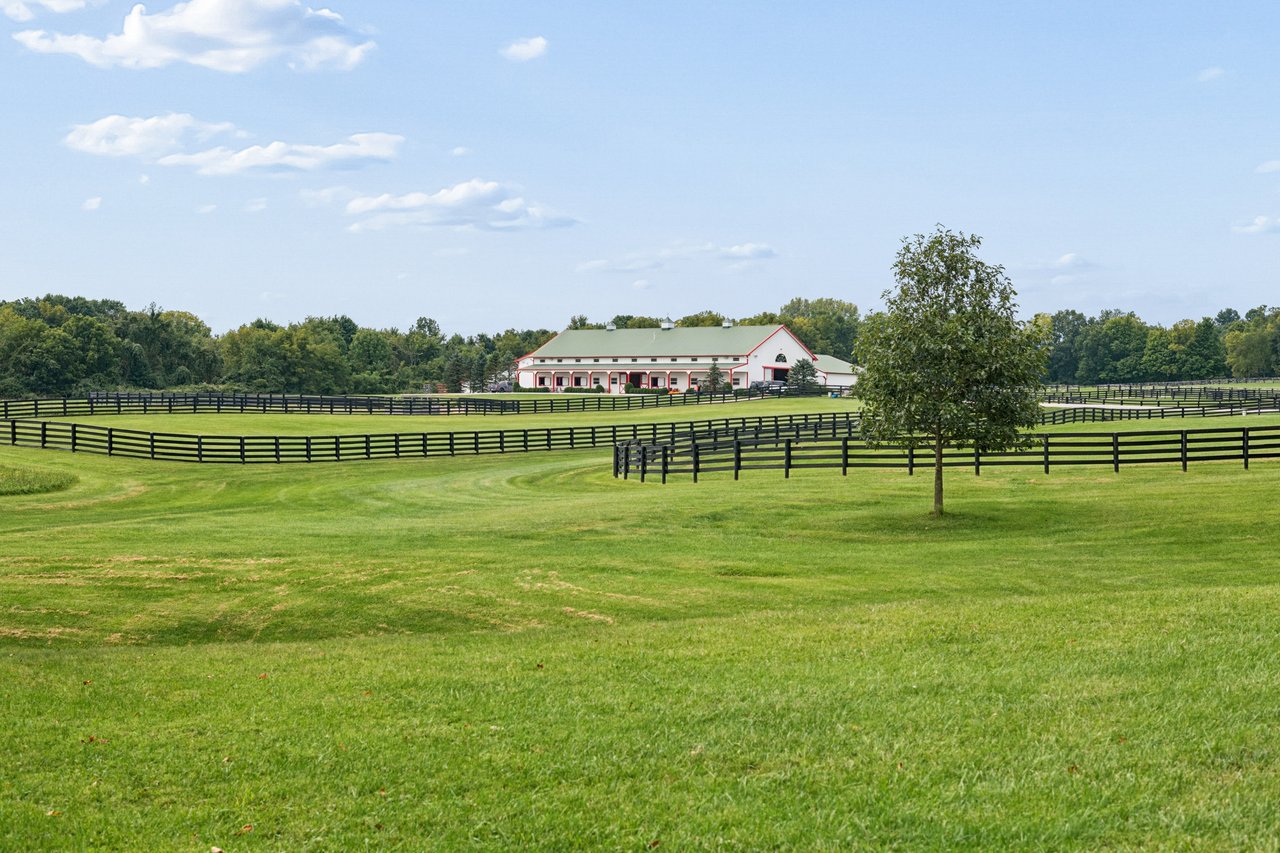
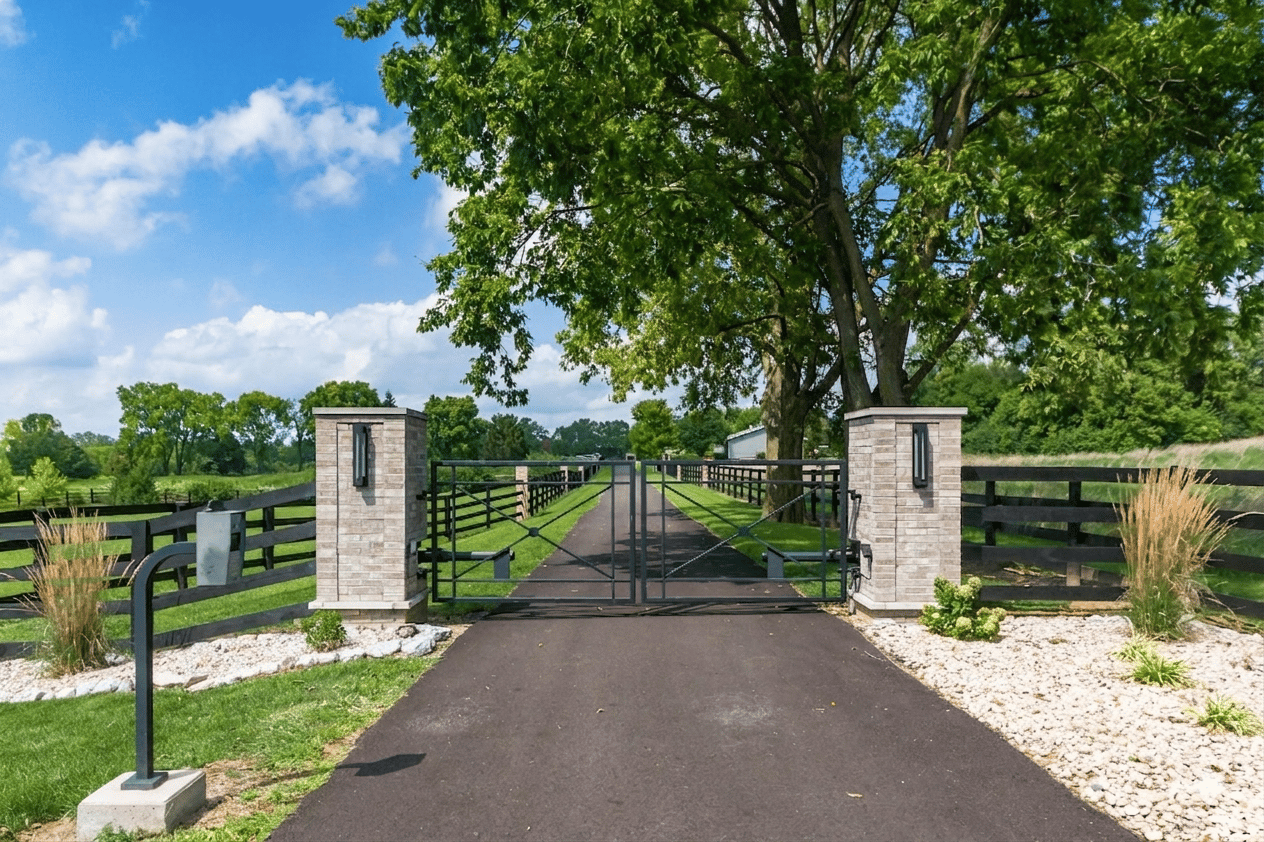
Ravines, mature woodland, natural water features, meaningful elevation changes, gated access, and significant setbacks from neighboring properties all contribute to a sense of place that can't be manufactured after the fact. These are features that took decades to develop naturally and cannot be added to a standard residential lot regardless of budget.
For buyers at this level, the site often matters as much as the structure. The combination of architectural quality and a setting that provides genuine privacy and natural beauty is what separates an estate from a large luxury home.
Ancillary Structures That Add Depth and Story
Historic and accessory structures on a property add a layer of authenticity that new construction cannot replicate. When those structures have been thoughtfully converted or preserved, they become genuine assets in their own right. A carefully restored outbuilding, a converted carriage house, a guest structure with its own architectural character. Each adds a dimension to the property's story that resonates with a specific kind of buyer and contributes value that a standard appraisal often struggles to fully capture.
Additional amenities contribute to the overall picture as well. Equestrian infrastructure, sport courts, pool complexes, and outdoor entertaining structures all have value. But at the estate level, what matters most is coherence. A property where the architecture, the land, the ancillary structures, and the amenities feel like they belong together is genuinely rare in central Ohio and across the broader market.
The Pricing Challenge: When There Are No True Comparables
This is where estate sales diverge most sharply from standard luxury transactions. It's also where the most critical mistakes get made.
In a conventional luxury market, pricing is anchored by comparable sales. Adjust for square footage, lot size, finish level, school district, and days on market, and a defensible price emerges. The methodology is imperfect, but it's grounded in real transaction data.
For a one-of-a-kind estate, that methodology breaks down. There are no true comparables. The architectural investment can't be quantified the same way square footage can. Gated acreage with a ravine doesn't have a line item in a standard appraisal. An ancillary structure with genuine historic character adds value that no algorithm can reliably calculate.
What fills that void is a combination of experience, judgment, and honest conversation.
How Experienced Estate Agents Approach Pricing Without Comparables
The process starts with identifying the closest available data. Not identical sales, but sales that share individual characteristics. A property with similar acreage. A home with a comparable level of custom architectural investment. A transaction involving a distinctive accessory structure. None of these are direct comparables but each contributes a data point that informs a defensible range.
From there, the pricing conversation shifts to buyer psychology. At the estate level, value is partly objective and partly experiential. A buyer who has been searching for a specific combination of features for two years perceives value differently than one seeing it for the first time. Pricing strategy has to account for the depth and motivation of the available buyer pool, not just the transaction history.
The Cost of Mispricing in Either Direction
Overpricing an estate property carries specific risks that don't apply to standard luxury listings. Serious estate buyers are sophisticated and well-researched. They notice when a property has been sitting, and they draw conclusions about what that means. A mispriced estate that accumulates days on market is a fundamentally different sales challenge than one that launched correctly.
Underpricing carries its own risk. A seller who has invested decades of care, custom work, and personal vision into a property deserves a price that reflects that investment accurately. The goal is not to sell quickly at any price. It's to find the right buyer at the right number. That requires precision at launch more than speed.
The Buyer Pool: Smaller, More Deliberate, and Often From Outside the Market
Understanding who actually buys one-of-a-kind estate properties in Delaware County and central Ohio changes everything about how the search is conducted.
This is not the move-up buyer from Lewis Center or the relocating executive looking for a home near Olentangy schools. The estate buyer is a more specific profile. Typically, someone who has owned luxury properties before, knows what they want with precision, and is willing to wait for it.
Where Estate Buyers Come From
A meaningful percentage of estate buyers in central Ohio come from outside the immediate market. They may be leaving a higher cost-of-living area and finding that Delaware County and the surrounding region offers exceptional value for the kind of property they have been seeking. They may be drawn by acreage and privacy that simply doesn't exist at comparable price points in more densely developed markets. They may have a specific connection to central Ohio through a corporate relocation, a family tie, or a business interest that makes this geography relevant.
Reaching these buyers requires more than MLS exposure. It requires targeted outreach through agent networks that extend beyond the Columbus market, marketing directed at high-net-worth individuals with demonstrated interest in estate properties, and a presentation quality that communicates the property's distinction to someone who has never driven past it.
Timeline Is Driven by the Buyer, Not the Calendar
One-of-a-kind estate properties don't follow a predictable timeline. Some find the right buyer faster than anyone expected because the marketing reached exactly the right person at exactly the right moment. Others take longer because the buyer pool for a specific combination of features is genuinely small and the right buyer simply hasn't surfaced yet.
What matters more than predicting a timeline is understanding what drives it. When the property is priced correctly, presented exceptionally, and marketed to the right audience, the timeline takes care of itself. Sellers who understand that the process is buyer-driven rather than calendar-driven make better decisions throughout. They don't panic at sixty days. They don't reduce price before the right buyer has had a chance to find the property.
Marketing That Matches the Property
Standard real estate marketing is not designed for estate properties. The photography formats, listing platforms, and distribution channels that work well for a $900k home in Powell are not the right tools for a unique estate property in Delaware County or anywhere in central Ohio.
Visual Presentation at the Estate Level
A property defined by architectural distinction and custom craftsmanship deserves photography and video that captures those qualities with the same intentionality that went into creating them.
That means architectural photography rather than standard real estate photography. A photographer who understands light, proportion, and composition, who can communicate the feeling of a hand-crafted ceiling detail or the scale of a ravine view, rather than one optimizing for fast turnaround and MLS compliance.
It means video that tells the story of the property as a complete experience. Drone footage that establishes the acreage and site context. Interior sequences that move through the home the way a buyer would, allowing the architecture to reveal itself progressively. Twilight and golden hour exterior shots that capture the setting at its most compelling.
The visual presentation for an estate property is not a cost to minimize. It is a primary driver of how the right buyer perceives the property before they ever schedule a showing.
Broad Reach and Controlled Access Working Together
MLS exposure feeds hundreds of consumer sites and creates the broad awareness that ensures no qualified buyer misses the property. That reach is the foundation. It runs in parallel with a more targeted layer of outreach directed at the specific buyer profile most likely to recognize the property's value.
What protects the seller's time and the property's exclusivity is what happens when buyers respond. Every showing requires pre-qualification before it is approved. This is not a property that gets toured by curious neighbors or buyers whose financial profile doesn't match the price point. Only serious, qualified buyers walk through the door.
Every showing is also attended by the listing agent. At the estate level, that presence matters. It ensures the property is presented correctly, that the architectural story is communicated, that questions are answered with depth and accuracy, and that the seller's interests are protected throughout every interaction with a potential buyer.
The Listing Narrative Matters More Than the Feature List
Standard listings communicate through data. Square footage, bedroom count, lot size, year built. Estate buyers are not primarily data-driven. They are looking for a property that resonates, that tells a story they want to be part of.
The listing narrative for an estate property has to do work that data cannot. It has to communicate the vision behind the architectural choices, the feeling of the land, and the layers of craft that make the property what it is. A buyer reading a well-written estate narrative should be able to close their eyes and feel the property before they have seen a single photograph.
That kind of writing requires an agent who understands the property deeply. Not just its specifications, but its character.
What to Look for in an Agent for This Type of Property
The agent selection question for an estate property is more consequential than for any other transaction. The gap between strong and average representation at this level is not marginal. It determines whether the right buyer finds the property, whether the price reflects the true value of the investment, and whether the process unfolds with the patience and precision it requires.
Genuine Experience With Properties That Lack Comparables
Ask directly whether the agent has represented estate properties where standard comparable sales methodology didn't apply. Ask how they approached pricing in that situation and what the outcome was.
An agent with real experience in this segment will answer those questions specifically and honestly. One who is stretching beyond their experience will speak in generalities about luxury real estate broadly, which is a related but meaningfully different category.
A Marketing Capability That Matches the Property
Ask to see examples of how previous estate properties were marketed. Look at the photography, the video, the listing narrative, and the distribution strategy. Evaluate whether those materials reflect the quality of the property or fall below it.
The marketing for your estate is the first impression the right buyer will have. It should be produced with the same level of care and intentionality that defines the property itself.
Practices That Protect the Property and the Seller
Ask specifically how showings are handled. Are buyers pre-qualified before a showing is approved? Does the listing agent attend every showing?
These are not logistical details. They are signals about how seriously the agent takes their responsibility to the seller and the property. At the estate level, the answers matter.
An Honest Conversation About Timeline and Process
The right agent for an estate property will not tell you what you want to hear about timeline. They will give you an honest picture of what the process looks like, why the buyer pool is more specific than the broader luxury market, and what strong execution actually involves from launch through closing.
That honesty at the outset is one of the most reliable signals that an agent understands this segment. It's also what allows the seller to make informed decisions throughout rather than being surprised by realities that should have been discussed from the start.
Frequently Asked Questions
How Is Selling a One-of-a-Kind Estate Different From Selling a Standard Luxury Home?
The primary differences are in pricing methodology, buyer pool size and profile, marketing approach, and timeline expectations. Estate properties with significant architectural distinction, acreage, and unique features often lack true comparable sales, require targeted marketing layered on top of broad MLS exposure, and attract a smaller, more deliberate buyer pool that frequently includes buyers from outside the immediate market. Each of these differences requires a fundamentally different strategy than standard luxury representation.
How Do You Price an Estate Property When There Are No Comparable Sales?
Pricing without true comparables requires a combination of adjacent market data, buyer psychology analysis, and experienced judgment. An estate agent identifies the closest available transactions, properties sharing individual characteristics rather than a complete profile, and builds a defensible price range from those data points while accounting for the specific buyer pool and the investment represented by custom architectural and finish work.
Do Unique Estate Properties Sell Faster or Slower Than Standard Luxury Homes?
The honest answer is that it depends on the property and how well it is positioned. Some one-of-a-kind estate properties find the right buyer faster than expected when the marketing reaches the right person at the right moment. Others take longer because the buyer pool for a specific combination of features is genuinely small. Timeline is driven by the buyer rather than the calendar. Well-priced, well-presented estate properties in Delaware County and central Ohio that reach the right audience consistently attract serious activity. Correct pricing and exceptional marketing from day one is what drives the outcome.
What Kind of Buyers Purchase Estate Properties in Delaware County and Central Ohio?
Estate buyers in this market tend to be experienced luxury property owners who know precisely what they are looking for and are willing to wait for it. They often come from outside the immediate market, buyers from higher cost-of-living areas finding exceptional value in central Ohio, corporate relocations, and individuals with specific ties to the region. This buyer profile is more deliberate and less reactive than the broader luxury market, which is why the marketing strategy for estate properties requires targeted reach rather than volume alone.
Why Does Photography and Video Matter More for Estate Properties?
A one-of-a-kind estate is defined by qualities that standard real estate photography cannot communicate. Architectural craft, site character, spatial experience. The right buyer is making a decision partly based on resonance and story, not just specifications. Architectural photography, cinematic video, and drone footage that establishes site context are not optional investments at this level. They are the primary mechanism through which the right buyer identifies the property as worth serious consideration.
What Should I Look for When Choosing an Agent to Sell My Estate in Delaware County or Central Ohio?
Look for specific, verifiable experience with estate properties that lacked true comparable sales. Look for marketing examples that reflect the quality of the properties they represented. Look for an agent who gives you an honest picture of timeline and process. And look for practices that protect your property, specifically pre-qualification of all buyers before showings are approved, and agent attendance at every showing to ensure the property is presented correctly and your interests are protected throughout.
Should I Make Improvements Before Listing My Estate?
The answer depends entirely on the specific property and the current buyer profile. For estate properties, the calculus is different than standard luxury preparation. Buyers at this level often prefer to put their own mark on a property rather than inherit recent renovations. The focus should be on presentation, condition, and mechanical integrity rather than cosmetic updates. Any significant improvements should be evaluated carefully against their likely return with the specific buyer pool in mind.
Do You Work With Estate Properties Outside Delaware County?
Yes. While Delaware County is our primary market, we work with distinctive estate properties across central Ohio where the property warrants the approach and expertise this segment requires. If you own an exceptional property outside Delaware County and are considering selling, the conversation about strategy, positioning, and buyer identification is the same regardless of geography.
Selling an estate property well begins with the right conversation. If you own something exceptional in Delaware County or central Ohio and are thinking about what comes next, we'd like to hear about it.