Living in Delaware, Ohio: Neighborhoods, Housing & What to Know
Delaware, Ohio offers a range of housing that isn’t always apparent from a map or an online search. Within the same ZIP code, buyers will find historic homes near Ohio Wesleyan University, established neighborhoods, new construction and rural properties with acreage.
Not every Delaware address tells the same story, though. School districts, city and township boundaries, taxes and land-use rules can differ from one property to the next, and understanding those differences is a large part of buying or selling well here.
What Makes Delaware, Ohio Different?
Delaware sits about 30 miles north of downtown Columbus. It is the county seat, the home of Ohio Wesleyan University and, with roughly 46,600 residents in 2025 Census estimates, one of the fastest-growing cities in Ohio.
Growth hasn’t erased its character. Sandusky Street, the historic courthouse, the university and the residential blocks around them give the city an identity that newer suburbs are still working to build. Older homes near downtown sit a short drive from modern subdivisions, custom-home neighborhoods and properties with several acres of land.
That variety is the appeal, and it also means the Delaware market can’t be read through one median price. For current listings and a broader look at the area, visit our Delaware, Ohio community page.
A Delaware Address Doesn’t Tell You Everything
A 43015 mailing address does not necessarily mean a property sits within Delaware city limits. The ZIP code extends into surrounding townships, and those boundaries affect schools, taxes, zoning and how a property can be used.
School Districts
Homes with a Delaware address may fall within Delaware City Schools, Olentangy Local Schools or Buckeye Valley Local Schools. Two properties a few miles apart can share a mailing address and belong to different districts, which shapes both buyer demand and resale.
Confirm the assigned district through the Delaware County Auditor’s parcel record and with the district itself, rather than relying on a listing description. For a broader look at districts across the county, see our Delaware County school district enrollment guide.
City Versus Township
Income tax is one cost to consider when comparing homes here. Property tax rates also differ by jurisdiction and school district, and credits for tax paid where you work depend on individual circumstances.
Two homes at the same price with the same mailing address can carry noticeably different costs of ownership. Run those numbers before choosing between them.
Zoning and Property Use
Outside the city, township zoning determines whether you can keep horses, add an outbuilding or divide land. Road frontage, access, utilities and deed restrictions shape future use as well. These are details to investigate before a property is under contract, not after.
[D&K INSERT: One or two first-person sentences, such as a buyer who nearly bought a “Delaware” home before learning the school district or tax picture was different, or the first thing you check on an acreage parcel.]
Where Delaware’s Housing Is Located
For a closer comparison of specific neighborhoods such as Glenross, Kensington Place and Cheshire Crossing, see How to Choose the Right Delaware, Ohio Neighborhood for Your Lifestyle.
Historic Homes and Established Neighborhoods
The streets around downtown and Ohio Wesleyan hold some of the city’s oldest housing. Along William Street, Central Avenue, Union Street and nearby blocks, homes range from modest cottages to substantial historic residences, with mature trees, sidewalks and an easy walk to Sandusky Street.
Condition varies widely, even among homes of similar age and size. With an older home, the quality of past renovations and the state of the mechanical systems matter as much as the architecture.
Southern Delaware and the Olentangy Corridor
South and southeast of the city, toward Powell and along the Sawmill Parkway corridor, much of the area falls within the Olentangy Local School District. Alongside new construction, this part of the market includes established neighborhoods with larger homesites and custom-built homes, such as Liberty Bluff, Dornoch Estates and Twin Hickory Farm.
For buyers who want a substantial home in a settled neighborhood, these communities offer what production building usually can’t: individual architecture, mature settings and more privacy. Many share school assignments and buyer profiles with nearby Powell, which we cover in Powell, Ohio Real Estate: Why It Leads the Luxury Market in Delaware County.
New Construction
New-home communities are active in several parts of the city and surrounding townships, offering modern floor plans, new building systems and, depending on the stage of development, a say in finishes. The tradeoffs are HOA requirements, smaller lots in many sections, construction that may continue nearby for years, and builder incentives that make comparisons with resale homes less straightforward.
Acreage, Custom Homes and Private Estates
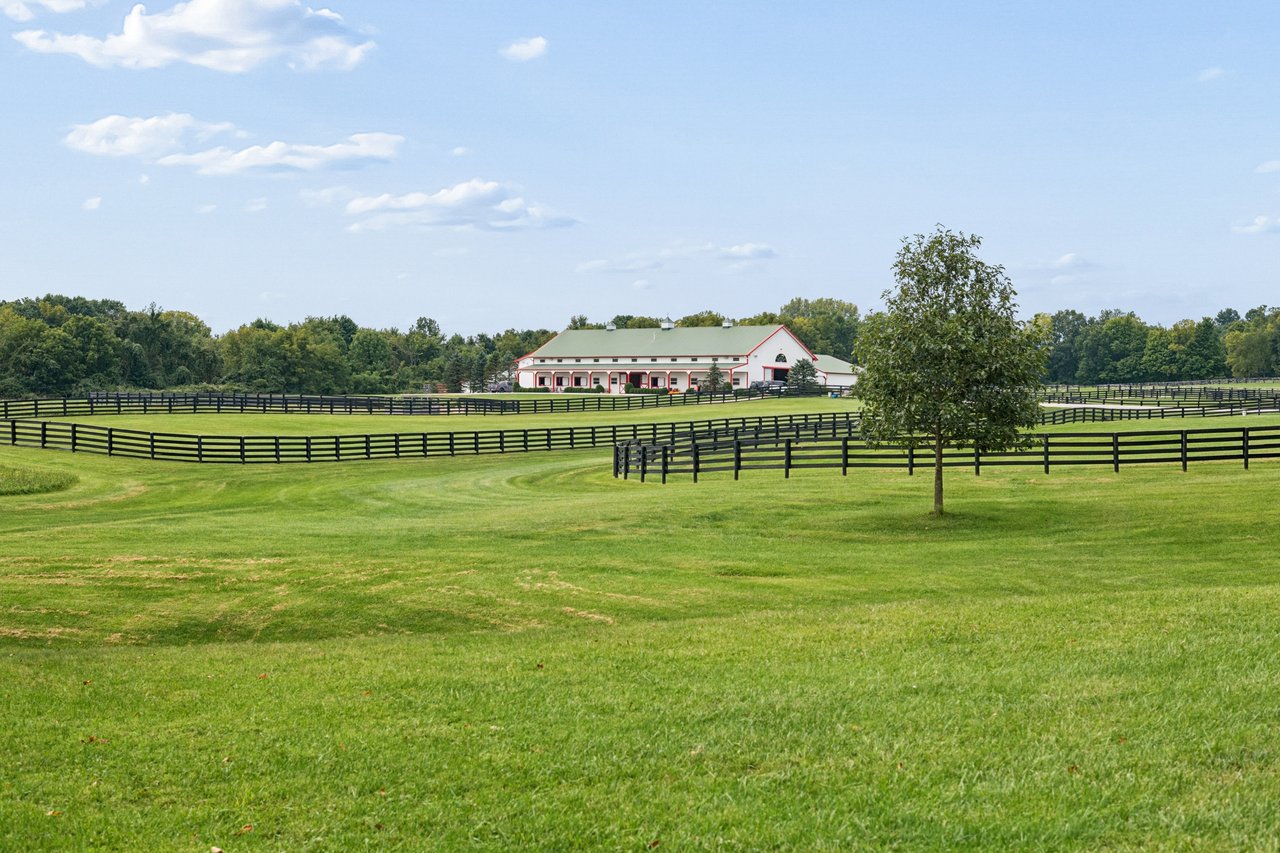
Beyond the neighborhoods, the surrounding townships hold custom homes on acreage, farmland, wooded parcels and equestrian properties. For buyers who want privacy, room for horses or more control over how they use their land, this is one of the places in Delaware County where that is still realistic within reach of Columbus.
On these properties, the land is often a significant share of the value. Topography, drainage, outbuildings, utilities and permitted uses deserve the same scrutiny as the house, and evaluating them well is work we know closely. For more, see our guide for luxury and acreage buyers relocating to Delaware County.
Downtown Delaware Is Part of the Appeal
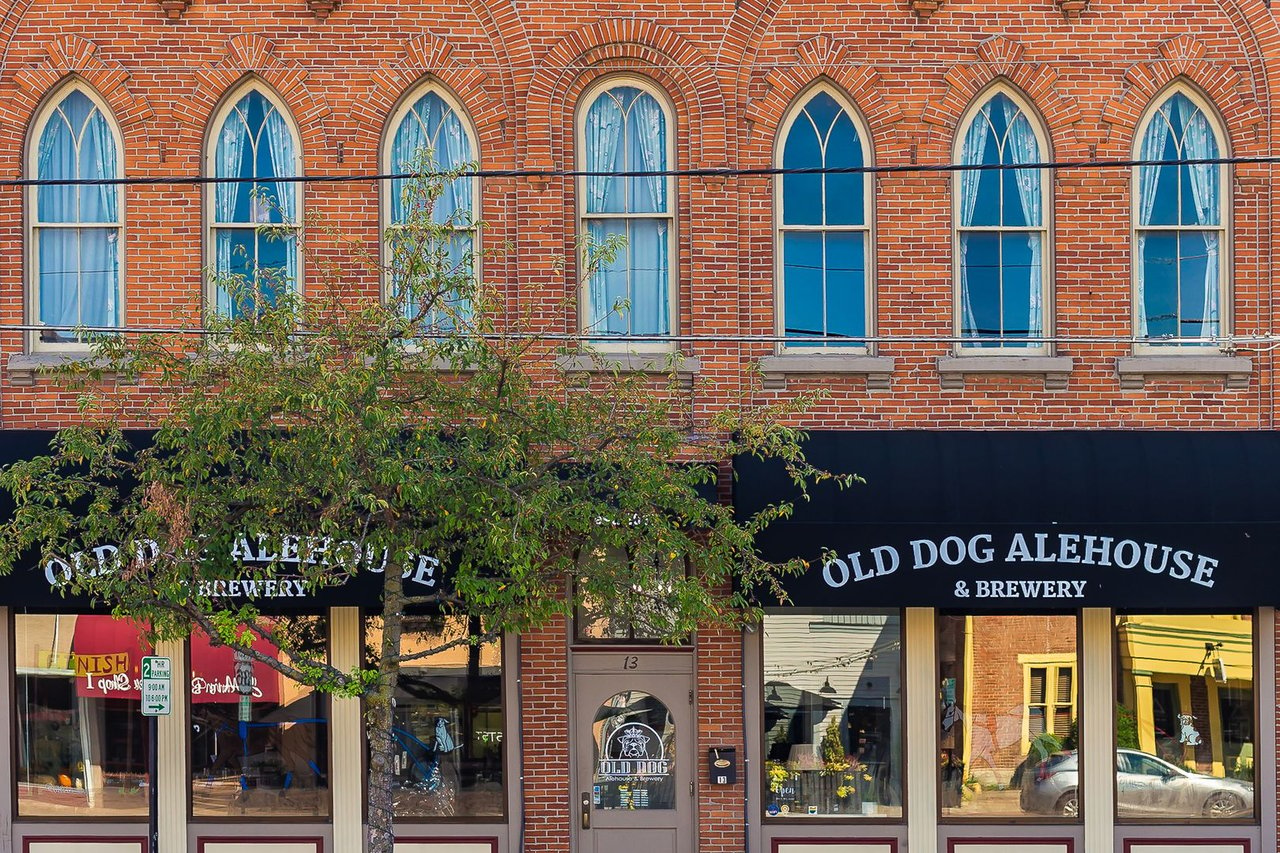
Locally owned restaurants and shops, the Saturday farmers’ market, First Fridays and seasonal traditions bring residents downtown throughout the year. Some buyers want to walk there. Others prefer a larger homesite or a rural setting with a downtown close enough for dinner or an event, and that range of preferences is part of why Delaware draws such different buyers.
We explore more of what daily life is like downtown in our guide to downtown Delaware.
Understanding the Delaware Real Estate Market
Prices in the Delaware area span a wide range, from modest historic homes and entry-level new construction to custom homes and estates well above $1 million. Broad statistics are useful context, but they say little about an individual property, because a historic home near downtown, a new subdivision home and an acreage property attract very different buyers.
In much of the resale market, new construction is the main competition. Buyers may weigh an existing home against builder inventory that comes with financing incentives or closing-cost help. Established homes answer with what a builder can’t easily reproduce: mature landscaping, larger lots, architectural character, finished outdoor spaces and proximity to downtown.
At the upper end, pricing becomes property-specific. Architecture, craftsmanship, lot characteristics and the scarcity of true comparables all play a part, which is why a useful analysis looks at the segment a home competes in rather than the ZIP code average.
What Buyers Should Know Before Purchasing in Delaware
Verify the school district by parcel. This matters most when comparing homes near district boundaries.
Run the city and township numbers. Income tax, property tax, utilities and HOA fees can change the cost of two otherwise similar homes.
Evaluate older homes individually. Look closely at condition and maintenance history, and check whether a property falls under historic preservation review before planning exterior changes.
Compare new construction and resale on total cost. Incentives, HOA fees, lot size and what’s included all shift the picture.
Look past the house on acreage. Boundaries, access, drainage and permitted uses can matter as much as the residence.
Test your commute. US-23 and Sawmill Parkway are the main routes toward Columbus, Powell and Dublin, and rush-hour travel times vary considerably.
What Sellers Should Know About Listing in Delaware
Know your competition. If builders are selling nearby, your listing has to show clearly what an established home offers that new construction doesn’t, and the price has to support that case.
Price within the right segment. Comparable sales should reflect location, school district, age, condition and lot, along with what buyers could purchase instead today. For custom homes, the most relevant comparables may sit outside the immediate neighborhood.
Document the care behind an older home. Buyers are drawn by character, but they want to know how the home has been maintained. A record of roof, mechanical and electrical updates gives them that confidence.
Position distinctive properties differently. Estates, acreage and one-of-a-kind homes have fewer direct comparables and often draw buyers from a wider area, so their presentation and marketing reach should reflect that. For more, see Selling a One-of-a-Kind Estate in Delaware County.
Frequently Asked Questions About Living in Delaware, Ohio
Is Delaware, Ohio a good place to live?
Delaware combines a historic downtown, Ohio Wesleyan University and an active community calendar with a wide range of housing, from older neighborhoods and new construction to custom homes and acreage, about 30 miles from downtown Columbus. Whether it fits depends on your priorities for schools, setting and lifestyle.
What school district serves Delaware, Ohio?
Homes with a Delaware mailing address may be in Delaware City Schools, Olentangy Local Schools or Buckeye Valley Local Schools. Confirm the district for each property through the Delaware County Auditor’s parcel record.
Does Delaware, Ohio have a city income tax?
Yes. Delaware has a city income tax; confirm the property’s jurisdiction.
Are there luxury homes in Delaware, Ohio?
Yes. Custom-built homes and estates can be found in established neighborhoods south and southeast of the city, many within Olentangy schools, and on acreage in the surrounding townships.
Are there historic homes for sale in Delaware, Ohio?
Yes. Many of the city’s older homes are near downtown and Ohio Wesleyan University, including around William Street, Central Avenue and Union Street. Availability and condition vary.
Where can buyers find new construction in Delaware?
New-home communities are active in several parts of the city and surrounding townships. Availability and development phases change over time.
Can you find homes with acreage near Delaware, Ohio?
Yes. The surrounding townships include custom homes on acreage, farmland and equestrian properties. Zoning, utilities and permitted uses vary by parcel and should be reviewed early.
How far is Delaware, Ohio from Columbus?
Delaware is about 30 miles north of downtown Columbus. US-23 is the primary route, and Sawmill Parkway connects southern Delaware to Powell and Dublin.
Buying or Selling in Delaware, Ohio
Delaware is not one uniform market. Its historic neighborhoods, new communities, custom homes and rural properties each call for a different read on location, value and buyer priorities.
David and Kelly Ludwig bring 47 years of combined experience across Delaware County and Central Ohio, including land, estate and equestrian property. Whether you’re considering a move to Delaware or preparing to sell, Start a Conversation with us about your property or the part of the market you’re exploring.
This article is general information, not legal, tax or financial advice. Consult a qualified professional about your situation.