Most horse property searches start online — acreage filters, barn photos, price per square foot. But if you've owned horses for any length of time, you already know that what makes a property work day-to-day rarely shows up in the listing description.
Delaware County has become one of the stronger areas in central Ohio for private horse owners. The county offers a real range — finished properties with existing infrastructure, raw acreage where you build toward what you want, and everything in between — all within a reasonable drive of Columbus. That said, not every property that calls itself horse-ready actually functions like one. Here's what we look at when a client is trying to find a place to keep two or three horses and actually use them.
Start With Your Discipline
Before we pull a single listing, we ask clients how they actually use their horses. It's the most important question in the search, and it's the one that gets skipped most often.
A trail rider and a dressage rider are not shopping for the same property. Someone with a jumper needs different infrastructure than someone with two retired horses who mostly need quality turnout and good grass. A buyer who shows regularly has a completely different checklist than someone who schools at home and hauls out a few times a year.
Getting clear on your discipline — and how your week actually looks when you're at the barn — cuts through a lot of properties that photograph well but won't hold up once you're living on them.
Trail Riders
Alum Creek State Park is the anchor. Thirty-eight miles of bridle trail, an equestrian campground, multiple trailer parking areas — it's one of the most usable trail systems in Ohio, and it's right here. Hogback Ridge Preserve connects into the same network and adds some good wooded terrain for riders who like variety.
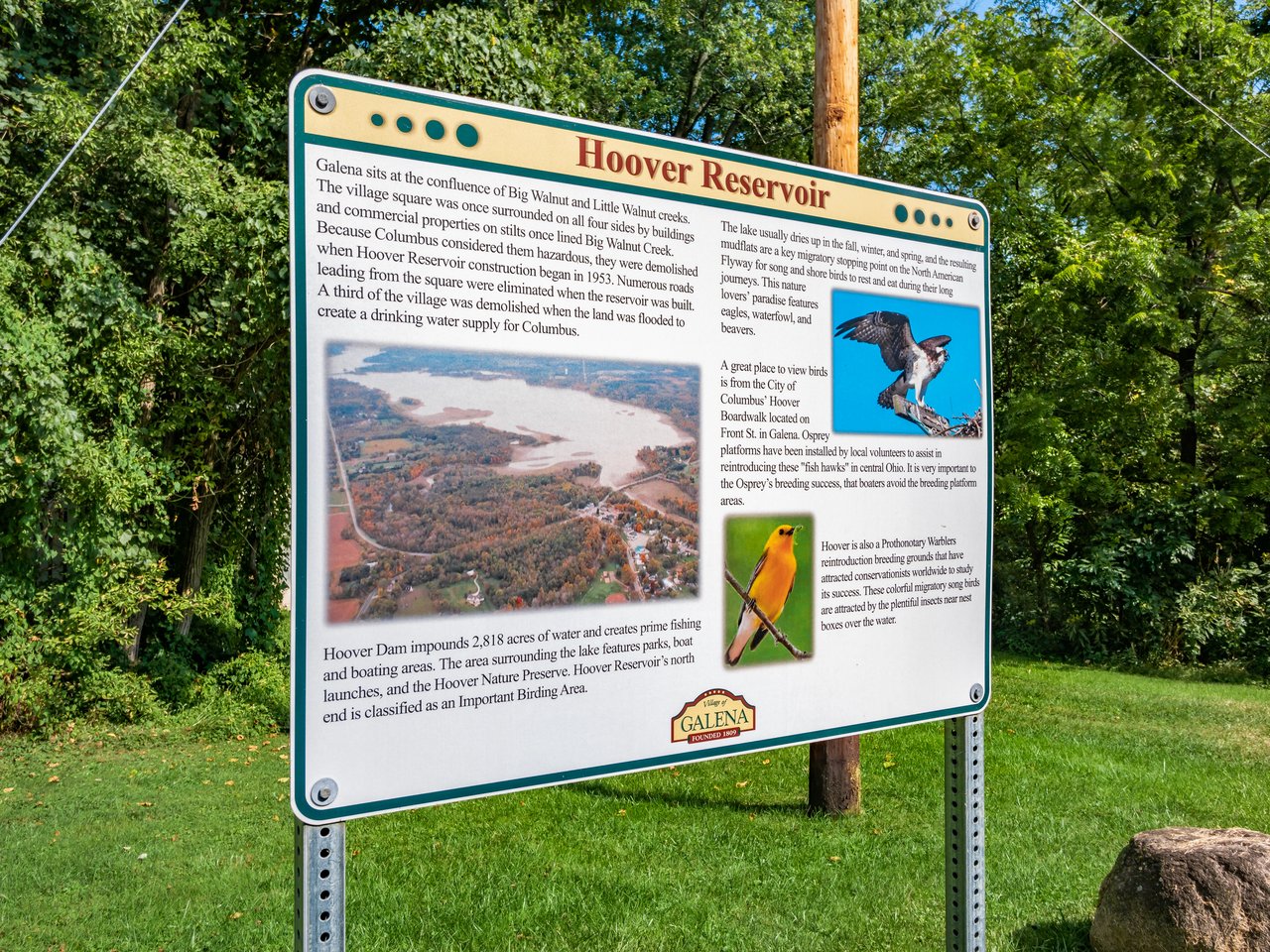
For trail-focused buyers, we pay close attention to two things: haul time to the nearest trailer parking area, and what the road between the property and the park actually looks like. Fifteen minutes on a quiet two-lane is not the same as fifteen minutes with a highway on-ramp in the middle of it. Properties in the Galena corridor tend to have some of the most direct access to the Alum Creek system — and the prices reflect it. But trail-friendly properties exist across the county. The key is mapping the actual haul from a specific parcel, not just the general area it sits in.
Discipline Riders — Flat Work, Jumping, and Showing
For buyers who school at home regularly, the property itself carries more of the weight. The first thing we're looking at is whether there's an existing arena and what the footing is actually like — not what it looks like in August photos, but what it rides like after a wet spring. If there's no arena, we want to know whether there's a flat, dry area large enough to build one without a major grading project. A 100x200 outdoor is a reasonable working standard for flat work or jumping. Smaller than that and you start feeling the walls pretty quickly, especially with more than one horse in work.
In Ohio, an indoor arena is less of a luxury than people outside the horse world tend to assume. Winters here are long. Riding consistently from November through March without one means either tolerating a lot of bad footing or hauling more than most people want to. For anyone with horses in active training, a regular lesson schedule, or a show season that starts in the spring, an indoor changes what a property is actually worth. Delaware County has inventory with indoor arenas across a range of price points, and those properties tend to attract buyers who've already done the math.
What the Land Needs to Do
Five acres is the practical floor for keeping horses in Delaware County, and in many jurisdictions it works more like a hard requirement than a guideline. On parcels under five acres, setback rules for animal confinement areas can make horse keeping functionally unworkable — even on a property that looks fine on paper. If you're looking at something in the four-acre range and thinking you'll figure it out, that's a conversation worth having before you get attached.
Past the acreage question, raw size still doesn't tell you much. We've seen five-acre properties that work beautifully and five-acre properties that are mostly wooded hillside with a narrow strip of usable ground.
What actually matters on the ground:
Drainage. Central Ohio clay is not forgiving. A low-lying five acres that sits wet from February through April turns mud management into a second job. Good natural drainage on a slightly smaller parcel will often outperform bigger acreage that holds water.
Turnout configuration. Can you separate horses when you need to? Is there a dry lot or sacrifice area that keeps your best pasture from being grazed to nothing over winter? These details don't make for great listing photos, but they're what determines whether the property actually works.
Fencing. Board fence looks great in pictures. The more useful questions are whether it's horse-safe, whether it's in good shape, and whether the layout makes sense for how you actually manage turnout.
What the Barn Needs to Do
Listings lead with barn dimensions. What they leave out is whether the stalls are a reasonable size, whether the ventilation is adequate, where the water lines run, and whether there's enough dry hay storage to get through the winter without a mid-season delivery crisis.
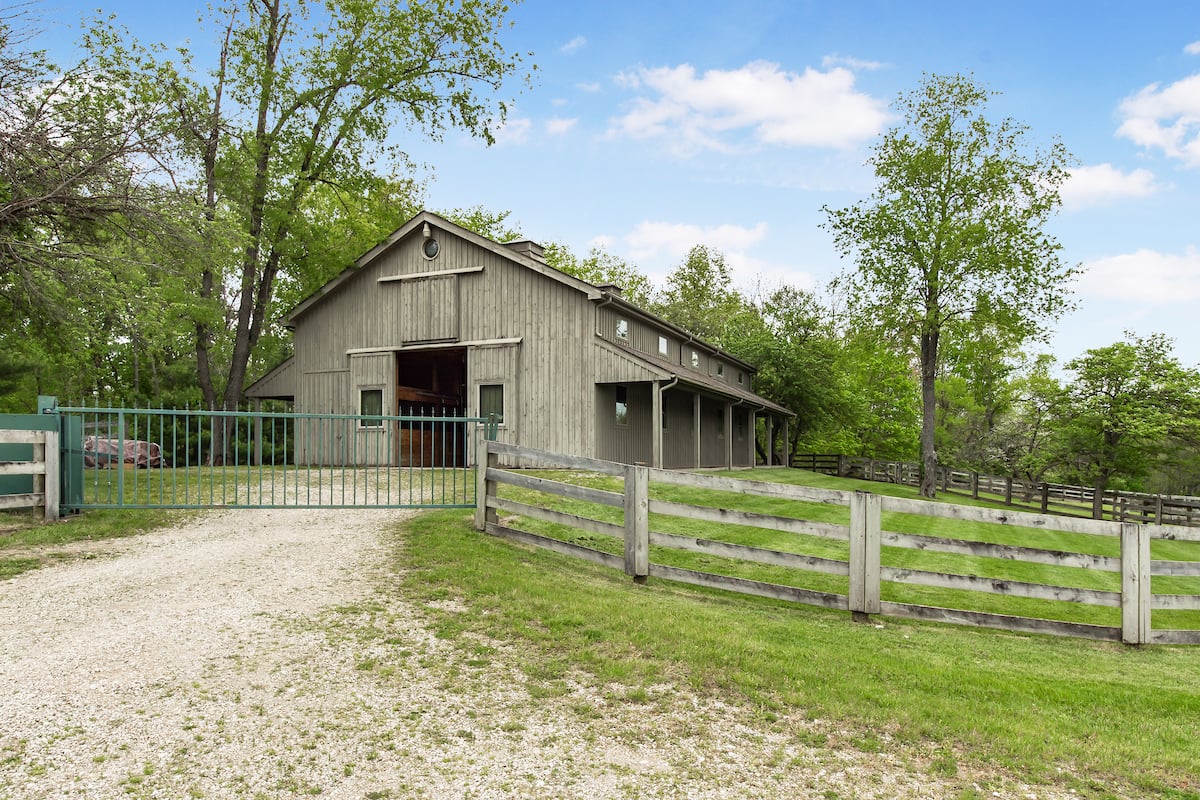
For a private owner with two or three horses, a solid three- or four-stall barn with a decent tack room and good hay storage is often more useful than a larger structure built for a boarding operation. We look at water and electrical access, footing in the barn aisle and around the outside, and whether one or two people can actually get through the daily feeding and turnout routine without the layout fighting them.
Every horse property search looks a little different depending on the horses, the discipline, and what kind of daily routine you're trying to build. You can browse Equestrian Page to get a feel for what's active across the county, or reach out to Kelly Ludwig if you want to talk through what you're looking for before you're anywhere near ready to make an offer.
Delaware County in Plain Terms
Horse properties exist across the county — not just in the corridors that show up most in online searches. There's meaningful inventory from the Galena and Africa Road areas in the south to townships further north and east that don't get the same attention but can offer real value for buyers willing to look a little wider.
One thing that surprises some buyers: zoning designation alone doesn't determine whether horses are permitted. You can keep horses on residentially zoned property in Delaware County as long as the parcel clears the applicable acreage minimums and deed restrictions don't prohibit it. The label matters less than the actual jurisdiction, the acreage, and whether there's an HOA or deed restriction in play. We work through that verification with every horse-property client early in the process.
Township rules and village rules can differ in ways that affect what you're allowed to build and how you're allowed to use the land. Confirming jurisdiction on any property is a simple step that prevents a lot of headaches later.
What to Expect on Price
Horse property in Delaware County covers a wide range. Raw acreage without improvements can start in the low-to-mid six figures for a buildable parcel at five acres or more. Add a functional barn, fencing, and water to pastures and you're generally looking at $700,000 and up depending on condition and location. Properties with indoor arenas, multiple outbuildings, or significant land tend to move into the $1M-plus range — sometimes well above it for finished facilities.
The Galena corridor commands some of the stronger prices in the county, particularly for properties with direct trail access and existing infrastructure. Other parts of the county — further north or east — can offer comparable land and improvements at a lower entry point. What drives price most, beyond location, is how much of the work is already done. A property that's genuinely ready for horses on day one is worth paying for if it saves you eighteen months of permits, grading, and construction.
What We're Actually Good At
With decades of experience in the Delaware County market and Kelly Ludwig as a fellow equestrian, we understand what a clients mean when they describe what their horses need and how they use them, we're not translating that into real estate terms — we already understand it. We know which parcels have drainage problems that won't surface in summer photos, which roads make sense with a trailer, and which properties that advertise themselves as horse-ready will actually hold up once someone's living on them.
Frequently Asked Questions
How many acres do I need for horses in Delaware County, Ohio? Five is the floor, and in a number of jurisdictions it's closer to a firm requirement. Parcels under five acres can run into setback rules for animal confinement areas that make horse keeping unworkable, even when the property looks promising otherwise. If you're considering something smaller, get the jurisdiction and zoning details early. Beyond that threshold, five acres is roughly the minimum for two to three horses to have reasonable turnout without burning through your pasture. Drainage and layout matter too — a well-drained five acres will outperform a larger parcel that sits wet for months.
Can you keep horses on residentially zoned property in Delaware County? Yes. The zoning label is less important than most buyers expect. Horses can be kept on residentially zoned property as long as the parcel meets the acreage minimums for that jurisdiction and deed restrictions don't prohibit it. What you're actually checking is jurisdiction, acreage, and whether there's an HOA or deed restriction involved — not whether the property is classified as agricultural.
What townships in Delaware County allow horses? Horses are permitted in many parts of Delaware County beyond the areas that tend to dominate online searches. Berkshire, Genoa, Berlin, Brown, and Orange townships all have rural residential and agricultural parcels where horse keeping is common, alongside the Galena corridor and the Sunbury area. The specific rules — acreage minimums, setbacks, what you can build — vary by township and sometimes by parcel, so jurisdiction confirmation is always the first step. If you're open to looking across the county rather than anchoring to one address, the inventory expands considerably.
Are there horse trails in Delaware County, Ohio? Alum Creek State Park has 38 miles of bridle trail, an equestrian campground, and trailer parking — it's one of the better trail systems in central Ohio. Hogback Ridge Preserve connects into the same network and adds some good wooded riding. That access is genuinely valuable for trail riders. For discipline riders focused on arena work, it's a nice feature but probably not a deciding factor in the search.
Do I need an indoor arena for horses in Ohio? Not every owner does, but Ohio winters make it a real consideration for anyone riding on a regular schedule. For horses in active training, show riders, or anyone running lessons, an indoor is less of an upgrade and more of a basic requirement. Delaware County has properties with indoor arenas at different price points — knowing early whether it's a need or a want saves a lot of time in the search.
What should I look for when buying a horse property in Delaware County? Start with your discipline, because that determines what the property actually has to do. Trail riders should look hard at haul time and road quality to the nearest trailhead. Discipline riders need to evaluate existing arena footing or available space to build. Across the board, the things that matter most are pasture drainage, turnout layout, water and electrical access in the barn, and whether the daily routine is manageable for the number of people running the operation. Properties that photograph well don't always work well — and the problems that wear on you rarely show up in listing photos.
Do I need a permit to build a barn or arena in Delaware County, Ohio? Most of the time, yes. Barns, arenas, and fencing typically require a zoning certificate before a building permit gets issued, with review through Delaware County Building Safety. Starting that process before closing is a lot simpler than starting it after.
What does horse property cost in Delaware County, Ohio? It varies widely depending on what's already in place. Raw acreage at five acres or more can start in the low-to-mid six figures. A functional barn, fencing, and water to pastures generally puts you at $700,000 and up. Properties with indoor arenas or significant improvements tend to run $1M and above. Location matters too — the Galena corridor typically commands stronger prices than comparable properties further north or east in the county.
Is Delaware County a good place to keep horses near Columbus? It's one of the better options in the region. The range of available properties — turnkey setups, raw acreage, properties with indoor arenas — combined with reasonable proximity to Columbus makes it a practical landing spot for private horse owners who want a real setup without moving two hours out of the city. Alum Creek is a genuine asset for trail riders, and the variety across the county means most buyers can find something that fits their discipline, their budget, and how they actually use their horses.
How many acres do I need for horses in Delaware County, Ohio? Five is the typically the minimum, and in a number of jurisdictions it's a firm requirement. Parcels under five acres can run into setback rules for animal confinement areas that make horse keeping unworkable, even when the property looks promising otherwise. If you're considering something smaller, get the jurisdiction and zoning details early. Beyond that threshold, five acres is roughly the minimum for two to three horses to have reasonable turnout without burning through your pasture. Drainage and layout matter too — a well-drained five acres will outperform a larger parcel that sits wet for months.
Can you keep horses on residentially zoned property in Delaware County? Yes. The zoning label is less important than most buyers expect. Horses can be kept on residentially zoned property as long as the parcel meets the acreage minimums for that jurisdiction and deed restrictions don't prohibit it. What you're actually checking is jurisdiction, acreage, and whether there's an HOA or deed restriction involved — not whether the property is classified as agricultural.
What townships in Delaware County allow horses? Horses are permitted in many parts of Delaware County beyond the areas that tend to dominate online searches. Berkshire, Genoa, Berlin, Brown, and Orange townships all have rural residential and agricultural parcels where horse keeping is common, alongside the Galena corridor and the Sunbury area. The specific rules — acreage minimums, setbacks, what you can build — vary by township and sometimes by parcel, so jurisdiction confirmation is always the first step. If you're open to looking across the county rather than anchoring to one address, the inventory expands considerably.
Are there horse trails in Delaware County, Ohio? Alum Creek State Park has 38 miles of bridle trail, an equestrian campground, and trailer parking — it's one of the better trail systems in central Ohio. Hogback Ridge Preserve connects into the same network and adds some good wooded riding. That access is genuinely valuable for trail riders. For discipline riders focused on arena work, it's a nice feature but probably not a deciding factor in the search.
Do I need an indoor arena for horses in Ohio? Not every owner does, but Ohio winters make it a real consideration for anyone riding on a regular schedule. For horses in active training, show riders, or anyone running lessons, an indoor is less of an upgrade and more of a basic requirement. Delaware County has properties with indoor arenas at different price points — knowing early whether it's a need or a want saves a lot of time in the search.
What should I look for when buying a horse property in Delaware County? Start with your discipline, because that determines what the property actually has to do. Trail riders should look hard at haul time and road quality to the nearest trailhead. Discipline riders need to evaluate existing arena footing or available space to build. Across the board, the things that matter most are pasture drainage, turnout layout, water and electrical access in the barn, and whether the daily routine is manageable for the number of people running the operation. Properties that photograph well don't always work well — and the problems that wear on you rarely show up in listing photos.
Do I need a permit to build a barn or arena in Delaware County, Ohio? Most of the time, yes. Barns, arenas, and fencing typically require a zoning certificate before a building permit gets issued, with review through Delaware County Building Safety. Starting that process before closing is a lot simpler than starting it after.
What does horse property cost in Delaware County, Ohio? It varies widely depending on what's already in place. Raw acreage at five acres or more can start in the low-to-mid six figures. A functional barn, fencing, and water to pastures generally puts you at $700,000 and up. Properties with indoor arenas or significant improvements tend to run $1M and above. Location matters too — the Galena corridor typically commands stronger prices than comparable properties further north or east in the county.
Is Delaware County a good place to keep horses near Columbus? It's one of the better options in the region. The range of available properties — turnkey setups, raw acreage, properties with indoor arenas — combined with reasonable proximity to Columbus makes it a practical landing spot for private horse owners who want a real setup without moving two hours out of the city. Alum Creek is a genuine asset for trail riders, and the variety across the county means most buyers can find something that fits their discipline, their budget, and how they actually use their horses. For show riders, the location is hard to beat — the Ohio State Fairgrounds, Champions Center, and World Equestrian Center are all within a reasonable haul. You can base out of Delaware County and reach most of the significant shows in the region without an overnight.