When I was at the University of Findlay, I wasn't thinking about real estate.
I was thinking about horses.
I had been riding since I was 10, but the University of Findlay's Western Equestrian Program gave me something that took years to fully appreciate — a working understanding of how an equestrian operation actually functions. The barn routines, the facility layouts, the way land either supports horses or fights them.
That education didn't feel like professional development at the time. It just felt like riding.
This year, the Western Equestrian Program begins its 50th anniversary celebration. And with The Run for a Million making its CBS broadcast debut this month — bringing reining into living rooms across the country — it's a good moment to acknowledge how much that relatively small Ohio city has shaped the equestrian world.
Dale Wilkinson, who moved his farm to the University in 1976 and helped establish the Western Equestrian Program, would become known as the father of modern reining. The University is marking the anniversary with a year-long celebration leading into its 50th anniversary weekend in 2027.
That legacy is worth noting.
For me, it's also a reason to talk about something I think about every time I walk an equestrian property with a client here in Central Ohio.
Kelly's freshman year at the University of Findlay — long before I knew how much that equestrian education would shape the work I do today.
Two Properties Can Look Identical on Paper
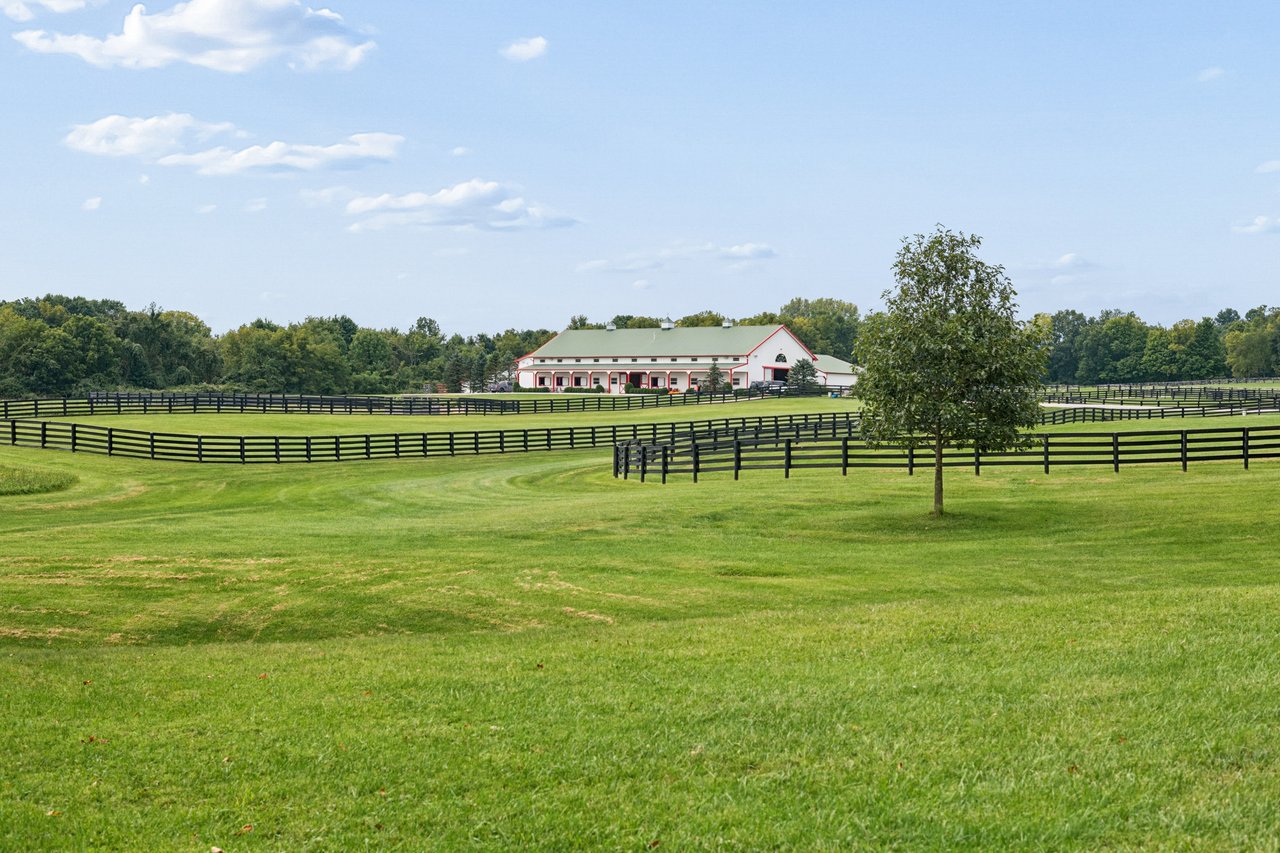
Twenty acres. A barn. Fenced pasture. An arena.
In practice, they can function completely differently.
A horse owner starts asking questions almost immediately — and they're not always the questions that show up in a standard listing description.
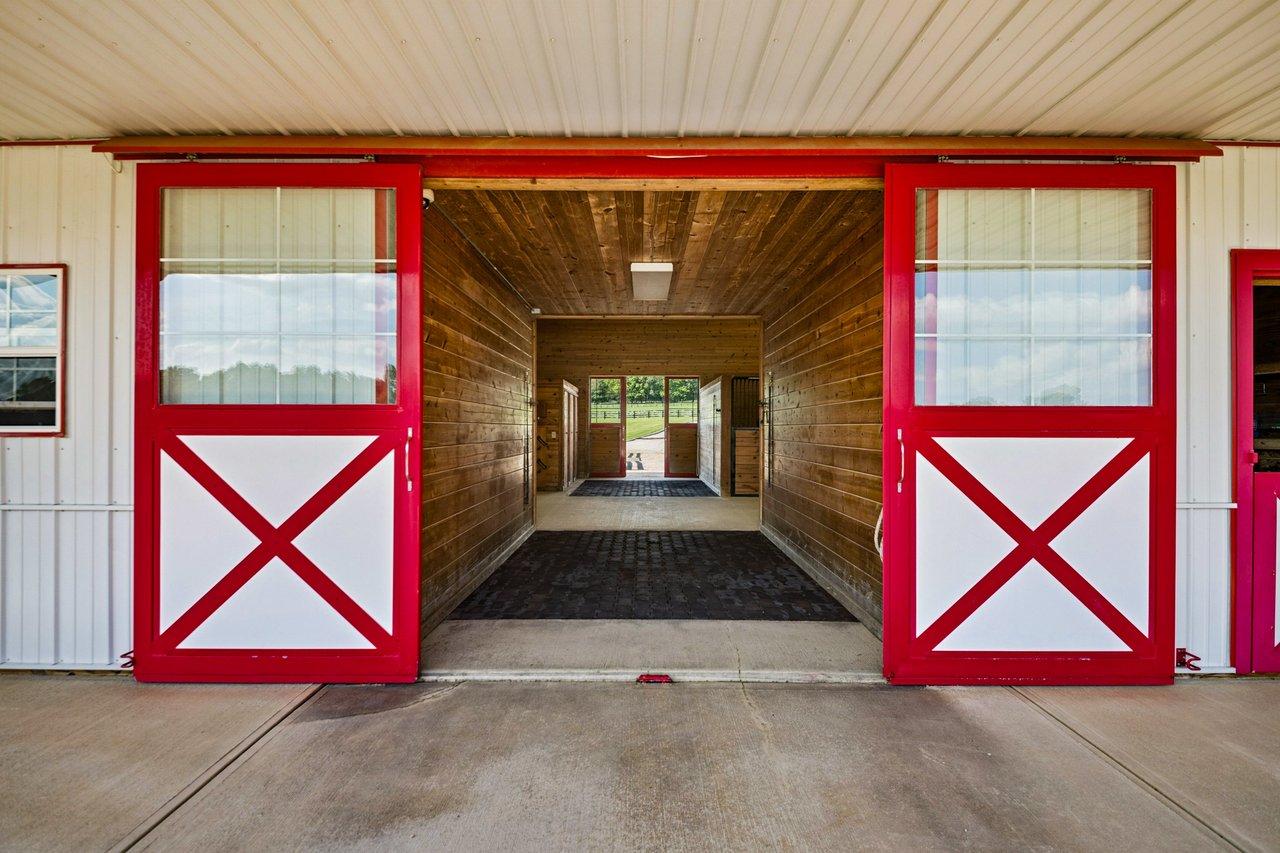
How does the land drain after several days of rain? How are the pastures configured? Can horses move safely between the barn and turnout? Where is the water? What's the footing like in the arena? Is there enough room for hay and equipment? How does a truck and trailer actually move through the property?
Those aren't secondary details. For the right buyer, they can become some of the most important parts of the decision.
Real estate has its own language — bedrooms, bathrooms, square footage, comparable sales.
Horse people have another language entirely.
They notice the footing, the fencing, the fields, the water, the drainage, the way a barn is laid out and the way the land feels when you walk across it.
Understanding both changes the way an equestrian property is evaluated, presented and ultimately matched with the right buyer.
The Most Valuable Features Aren't Always the Most Photogenic
Real estate marketing naturally gravitates toward what photographs well.
The kitchen. The primary suite. A dramatic exterior.
Equestrian property requires another layer.
A well-designed drainage system doesn't make a compelling hero photo. Neither does a gravel drive built to accommodate trailers, thoughtfully placed waterers or pasture fencing maintained across a large property.
But anyone who has managed horses understands their value.
Sometimes those practical improvements matter as much as the barn itself.
Part of our job is making sure those features get communicated clearly, whether through photography, video, property materials or the conversation we have when the right buyer walks through the gate.
The seller who knows which pasture drains first after a storm, where the trailer turns comfortably and how many loads of hay fit in the storage building has valuable knowledge about the property.
Not every detail belongs in an MLS description. But the right pieces belong somewhere in the marketing.
That's often where the real story of the property emerges.
For buyers looking specifically in Delaware County, our Delaware County relocation and acreage guide goes deeper into what buyers should consider when looking at land and equestrian property in this part of Central Ohio.
The Land Often Comes First
With a traditional residential property, the house usually establishes much of the value and the land supports it.
With equestrian and larger acreage properties in Central Ohio, that equation can flip entirely.
Topography, soil, drainage, pasture condition, water sources, road frontage and future building opportunities can all influence what a property is actually worth and how useful it may be to the next owner.
On a larger parcel, different sections of the acreage may serve completely different purposes — grazing, hay production, riding, conservation or a future estate-home site.
On some properties, the best use of the land may extend beyond its current equestrian operation, particularly when the acreage also offers privacy, multiple road frontages or opportunities for future construction.
You can't understand 50 acres from the driveway.
You certainly can't understand it from the MLS.
Some of the most important things we learn about a property happen well beyond the house, and that requires walking it — ideally more than once and, when possible, under different conditions.
It's one of the reasons our Equestrian & Acreage work focuses not only on the buildings, but on how the land and infrastructure function together.
Buying an Equestrian Property Means Understanding How It Works
A true equestrian property has to function well for horses in addition to meeting the buyer's residential needs.
That may mean understanding why arena dimensions matter, or seeing how the paddocks connect to the barn rather than viewing each feature separately.
It can mean looking closely at pasture rotation, fencing, water access, hay storage, trailer access, drainage and the amount of daily work the property will require.
It can also mean recognizing possibilities beyond the property's current use.
An established equestrian facility might continue as a private horse property, support a training operation or work for another discipline entirely.
A larger acreage property may also offer the opportunity to build a new estate residence while preserving an existing home for guests, staff or another use.
The more unusual the property, the more important it becomes to explain those possibilities clearly.
Sellers Know Things About Their Property That Buyers Need to Know
Equestrian sellers often know their properties extraordinarily well.
They know which pasture drains first after a storm. They know why a particular gate was placed where it was. They know where a trailer can turn comfortably, how much hay fits in a building and which areas of the property work best during different seasons.
Much of that knowledge never makes it into conventional real estate marketing.
It should.
Part of our job is translating the seller's years of experience with the property into information a prospective buyer can understand and value.
Not every detail needs to appear publicly. But the right information can materially affect how well a property is understood by the buyers most likely to appreciate it.
Coming Full Circle
I didn't leave Findlay thinking that one day I'd be walking farms and acreage properties with clients across Delaware County and Central Ohio.
But looking back, the connection is obvious.
The hours spent riding, working around barns and learning how an equestrian facility operates shaped the way I look at these properties today.
When a client describes what their horses need, I'm not translating that into real estate terms.
I already understand it.
That's what Findlay gave me, long before I knew I'd need it.
Buying or selling an equestrian property in Central Ohio?
Talk with Ludwig Real Estate Group about your property or search, or explore our current equestrian and acreage properties.
Frequently Asked Questions
What makes equestrian real estate different from traditional real estate?
A true equestrian property has to function well for horses in addition to meeting the buyer's residential needs. That means evaluating things that rarely appear in a standard listing description — pasture drainage, turnout configuration, barn ventilation, water access, arena footing, fencing, storage and how the property works on a daily basis.
The house still matters, but on many equestrian properties it is only one part of a much larger system.
What should I look for when buying an equestrian property in Central Ohio?
Start with the land and work inward.
Drainage deserves particular attention in Central Ohio, where soil type, topography and previous drainage improvements can make two nearby properties behave very differently after heavy rain.
From there, look at turnout configuration, fencing condition and layout, water access to stalls and paddocks, hay and equipment storage, arena footing and whether a truck and trailer can move through the property practically.
A barn that photographs beautifully does not always function efficiently for the person managing horses every day.
Why does equestrian experience matter when selling a horse property?
An agent with equestrian experience is more likely to recognize the features horse buyers care about and understand why they matter.
That can include drainage improvements, hay fields, trailer access, pasture configuration, water systems, fencing layout, arena construction and the relationship between the barn and the rest of the property.
Those details can materially affect how well a property is understood by the buyers most likely to value it.
What features in an equestrian property are most often overlooked in listings?
Drainage is one of the most commonly overlooked features.
Pasture configuration, the ability to separate horses, water access to individual paddocks, footing quality, hay and equipment storage, fencing and the practical flow of daily chores can also be extremely important.
These features may receive only a line or two in a conventional property description, even though they can have a significant effect on how well the property functions.
Where are equestrian properties commonly found in Central Ohio?
Equestrian properties can be found throughout Central Ohio, with meaningful acreage and horse-property opportunities in Delaware County and surrounding areas including parts of Licking, Union, Knox, Morrow and Fairfield counties.
The right location often depends on the buyer's discipline, acreage needs, budget, desired infrastructure and how close they want to remain to Columbus.
Some buyers want an established property with barns, fencing and an arena already in place. Others prefer land where they can build the residence and equestrian facilities around their own needs.
You can explore current opportunities through our Equestrian & Acreage property search, or contact Ludwig Real Estate Group to talk through a specific search.