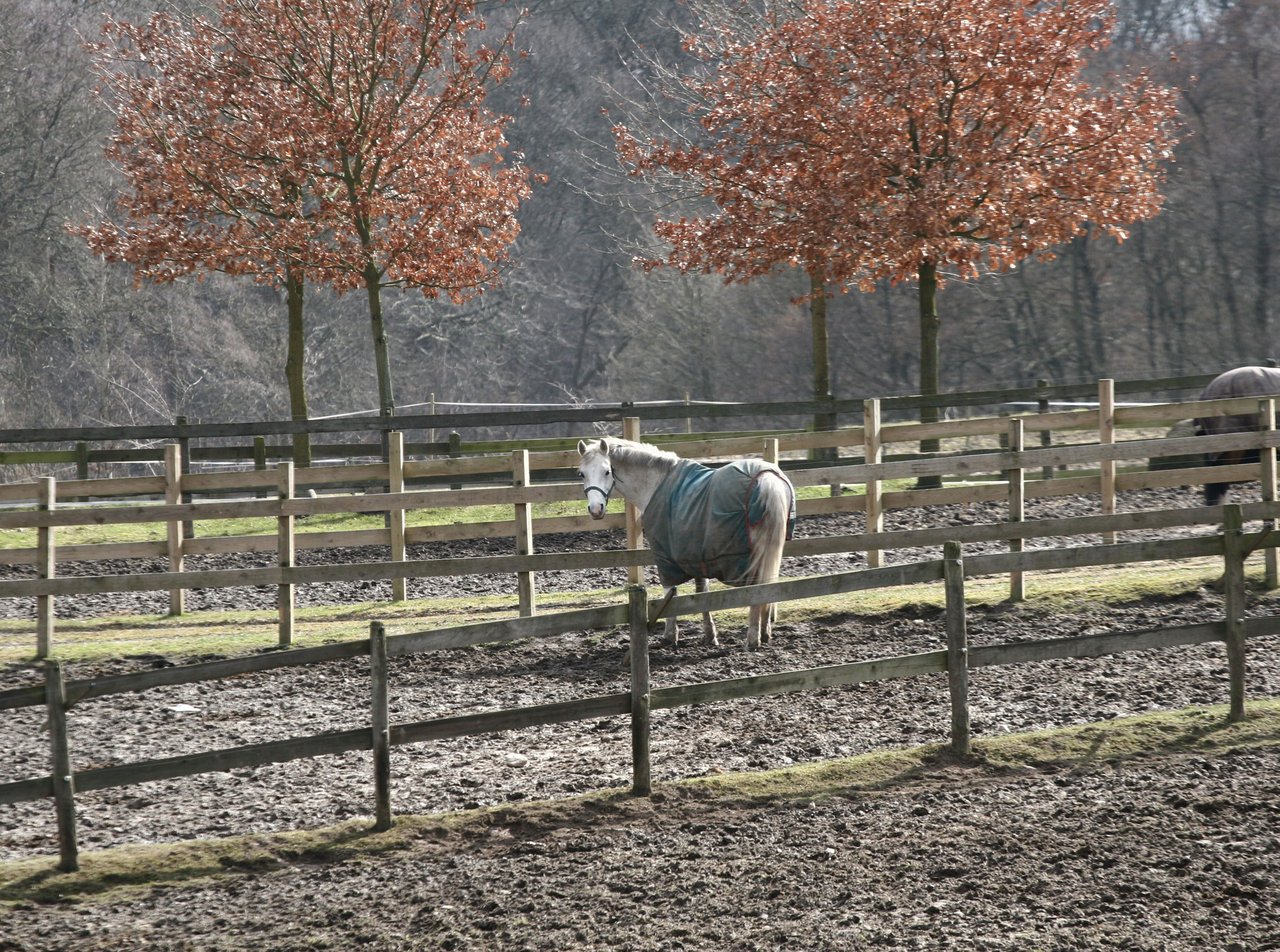
Winter doesn’t pause serious equestrian real estate—it clarifies it. In Ohio, cold weather, mud, and short days reveal how a horse property truly functions, often more honestly than any other season.
Why Winter Matters in Equestrian Real Estate
Equestrian properties operate as systems. Winter stress-tests those systems.
Cold temperatures, frozen ground, and seasonal mud quickly show whether a property has been thoughtfully designed and well maintained. This is why winter attracts a specific type of buyer—motivated, informed, and focused on long-term usability.
Winter buyers are rarely browsing. They’re evaluating.
For sellers, this means fewer showings but stronger ones. For buyers, it’s an opportunity to see beyond presentation and into performance.
What Buyers Learn From a Winter Tour
Drainage, Mud, and Footing
Ohio winters reveal how well a property manages water.
Buyers should pay attention to:
-
Mud depth in high-traffic areas
-
Drainage around gates, run-ins, and feeders
-
Conditions near barns, sacrifice areas, and laneways
If a property functions well in winter, it will perform in every other season.
Persistent mud isn’t just inconvenient—it signals future maintenance costs and daily operational challenges.
Barn Comfort, Airflow, and Utilities
Cold weather allows buyers to assess how well barns support horses and humans during daily routines.
Key considerations include:
-
Protection from wind and drafts
-
Stall layout and chore efficiency
-
Water access and freeze protection
-
Electrical capacity for heaters, clippers, and equipment
These details directly impact comfort, labor, and long-term operating expenses.
Access, Driveways, and Logistics
Snow and ice test what matters most.
Buyers should observe:
-
Driveway grade and plowing feasibility
-
Trailer access and turnaround space
-
Reliability of road maintenance
A property that becomes difficult to access in winter creates friction year-round.
How Sellers Should Prepare for Winter Showings
Winter does not require perfection—but it does require intention.
Prioritize Safety and Function
Sellers should focus on:
-
Clear, safe walkways around barns
-
Reasonable footing near entrances and gates
-
Secured animals during showings
Buyers expect winter conditions. What they’re evaluating is management, not mess.
Explain Seasonal Conditions Honestly
Instead of trying to hide winter realities, successful sellers provide context.
This includes:
-
Explaining how the property performs during spring thaw
-
Pointing out drainage improvements or footing investments
-
Sharing maintenance routines used in wet or frozen conditions
Transparency builds confidence and reduces post-inspection renegotiation.
Reset Presentation Expectations
Winter showings shift priorities.
This is the season where:
-
Systems matter more than landscaping
-
Layout outperforms aesthetics
-
Infrastructure outweighs cosmetic finishes
Well-prepared sellers lean into these strengths rather than fighting the season.
Managing Showings With Horses On-Site
Equestrian properties remain active, even in winter.
Structured showings should include:
-
Clear schedules that minimize disruption
-
Defined boundaries around turnout and stalls
-
Safety-first protocols for non-horse buyers
This protects animals, property, and the overall experience.
Negotiation and Due Diligence in Winter
Cold-weather tours often lead to smarter negotiations.
Buyers see real-world performance early, which means:
-
Fewer surprises during inspections
-
More practical repair discussions
-
Cleaner contracts and smoother closings
Winter doesn’t create problems—it reveals them. Addressing issues upfront strengthens outcomes for both sides.
Local Experience Matters
We regularly guide equestrian buyers and sellers across Central Ohio—generally within a one to one-and-a-half hour radius of Columbus—through winter tours and transactions.
Understanding how horse properties function in Ohio weather isn’t theoretical. It’s practical, seasonal, and earned.
Considering a Winter Tour or Showing?
With the right strategy, winter becomes an advantage—not an obstacle. Whether you’re preparing to list or evaluating a property, informed guidance matters.
Connect with Ludwig Real Estate Group for a confidential equestrian consultation.
Winter Equestrian Property FAQs
1) What should I look for when touring an equestrian property in winter?
Pay close attention to drainage, footing, and safe access—winter conditions can quickly reveal how functional the property really is day-to-day.
2) Is winter a good time to buy an equestrian property?
Yes. Winter often means less competition, and it gives you a clearer picture of how the land and barn systems perform under real weather conditions.