The biggest mistake move-up sellers make isn’t missing the “perfect” interest rate.
It’s mis-sequencing the transition.
In Delaware County, the move-up conversation looks very different depending on your price band. What works at $400,000 does not work the same way at $800,000. And if you treat it like one market, you can create unnecessary pressure — financially and emotionally.
If you’re trying to figure out how to sell your current home and buy another in Delaware County without unnecessary risk, the structure matters more than the headlines.
Here’s how we see it working right now.
First: Understand Your Segment
Delaware County is not one uniform market. Each tier behaves differently.
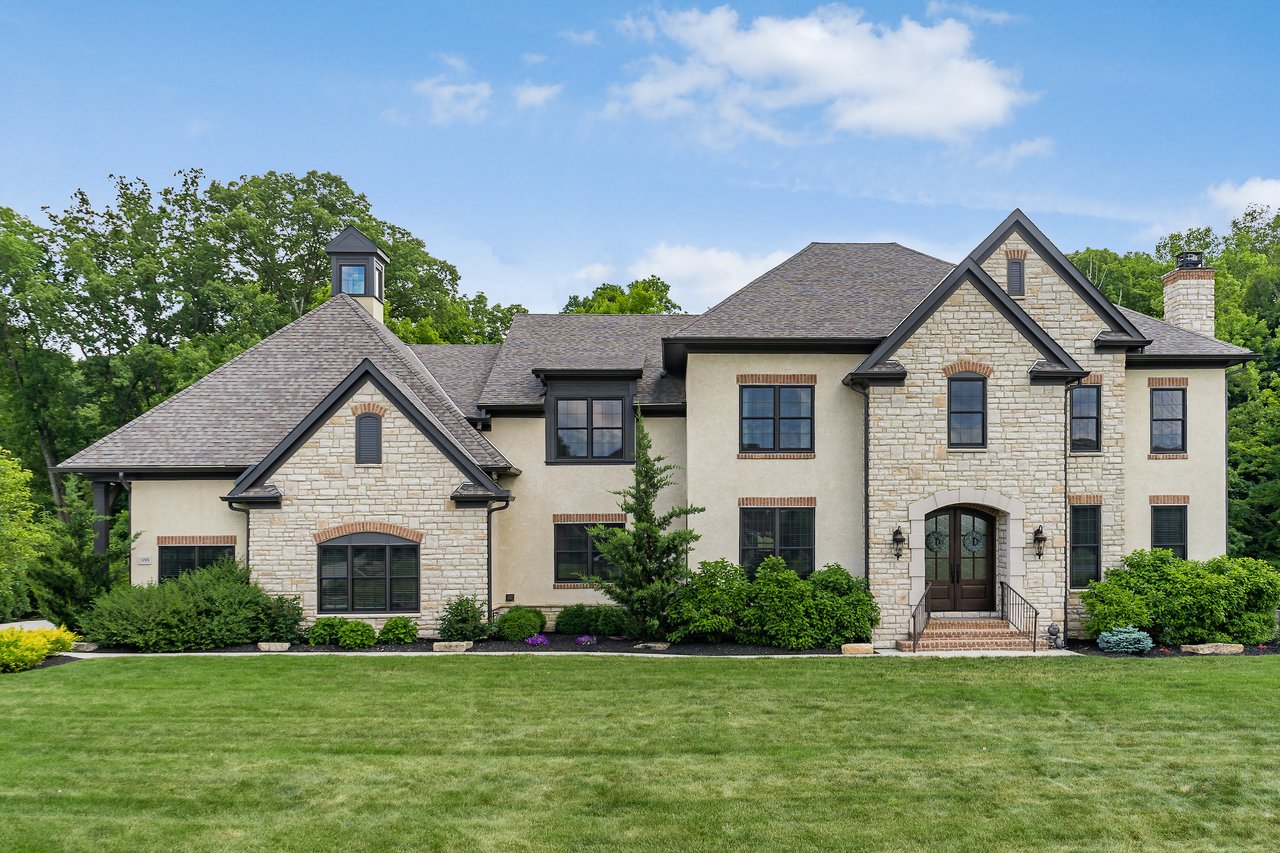
$350,000–$600,000: Traditional Move-Up
This segment — especially in Delaware City and parts of Lewis Center — continues to see solid activity when homes are priced precisely and presented well.
Well-positioned homes:
-
Generate early showings
-
Move within a reasonable timeframe
-
Attract strong family buyers
But pricing discipline matters more than it did during the peak seller years. Buyers compare condition, updates, and location carefully.
For many families, school boundaries within Olentangy Local Schools heavily influence timing and neighborhood selection. If school assignment is part of your move-up decision, we’ve broken that down in detail in our guide to how schools influence home values in Lewis Center and Delaware County. How Olentangy Schools Impact Home Values
If you're selling in this tier to move up, the key question isn’t “Will it sell?”
It’s “How predictably will it sell — and how does that align with my purchase?”
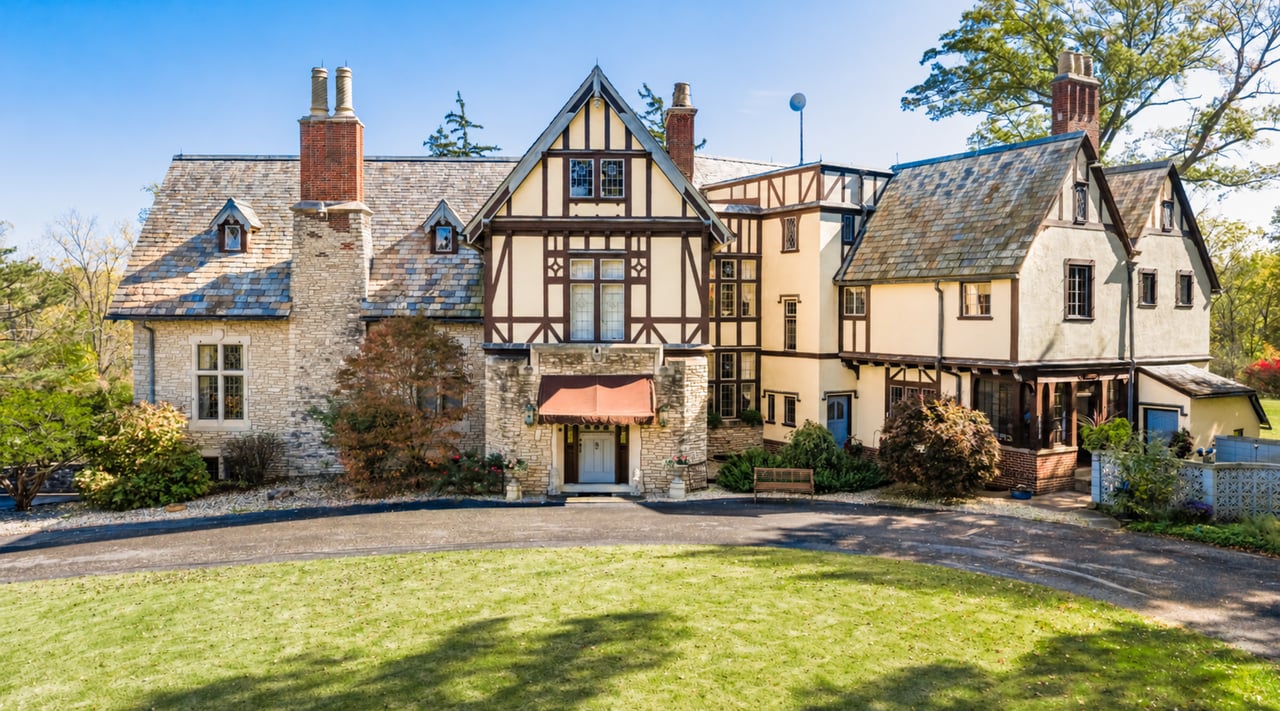
$600,000–$900,000: Upper Mid-Tier Move-Up
This tier behaves differently.
Timelines widen.
Buyers negotiate more deliberately.
Appraisals carry greater weight.
In Delaware County’s higher mid-tier neighborhoods — particularly newer communities and larger-lot properties — you’ll typically see:
-
Longer average market time than entry-level homes
-
Fewer competing buyers per listing
-
Greater sensitivity to design, updates, and pricing accuracy
This is where strategy becomes more precise. You cannot assume your home will move on the same timeline as your previous one.
If you are transitioning into this tier — or selling within it — the marketing and negotiation approach shifts meaningfully. We outline those differences in our article on selling a luxury home in Delaware County and what actually moves the needle. Selling A Home in Delaware County
The Three Ways to Structure the Move
There are only three real paths. The right one depends on your price segment, equity position, and risk tolerance.
1. Sell First (Lower Risk, Greater Certainty)
This works particularly well in the $350k–$600k segment.
You:
-
List
-
Negotiate
-
Close
-
Then purchase
In some cases, we negotiate a short post-closing occupancy (rent-back) to bridge timing.
This approach provides clarity. You know your net proceeds. You remove the pressure of carrying two homes. In today’s more measured market, that certainty matters.
The tradeoff is flexibility. You may need temporary patience if the right next home isn’t immediately available.
2. Buy First (Higher Leverage, Higher Exposure)
More common in competitive or inventory-constrained segments.
To do this responsibly, you need:
-
Strong equity
-
Clear underwriting
-
A defined bridge or HELOC strategy
-
Comfort with potential short-term overlap
This allows you to write a stronger, often non-contingent offer.
But if your current home takes longer than expected to sell, carrying two mortgages becomes a real financial consideration.
This approach requires conservative planning — not optimism.
3. Coordinated Closings (Precision-Based Strategy)
This involves structuring your sale and purchase to close on the same day or back-to-back.
When executed properly, it avoids extended overlap and minimizes temporary housing needs.
However, it requires:
-
Clean contracts
-
Strong lender communication
-
Realistic timelines
-
Experienced title coordination
These can work smoothly in Delaware County — but only when structured deliberately from the beginning.
Where Move-Up Sellers Miscalculate
After decades in this market, the friction points are predictable.
1. Overestimating past pricing power.
Today’s buyers are analytical again. Presentation and pricing precision matter.
2. Underestimating appraisal discipline in higher tiers.
Lenders lend on appraised value — not emotional value.
3. Waiting too long to secure underwriting clarity.
Preapproval is not the same as underwriting review.
4. Assuming new construction solves everything.
Builder timelines help, but resale execution still matters.
New Construction as a Timing Lever
Active building communities in Lewis Center and surrounding areas can offer longer contract-to-close windows. That flexibility can support a sell-first structure and reduce pressure.
But builder pricing is firm. Incentives shift. Appraisals still apply.
It’s a tool — not a shortcut.
What Actually Makes a Move-Up Work
Successful transitions share a few consistent traits:
-
Your current home is priced accurately for its segment
-
Your financing plan is conservative
-
Your purchase offer reflects realistic market leverage
-
The sequence is decided before emotions enter the equation
This isn’t about perfectly timing rates.
It’s about sequencing equity intelligently.
If you’re considering a move within Delaware County in the next 6–12 months, the structure conversation should happen before your home hits the market — not after.
.