What Moving Up Really Means
A move-up purchase in Delaware County is really two transactions happening at once: selling the home you own and buying the home you want next. The harder part usually isn't finding more space. It's making the timing, financing, sale, and purchase work together.
Maybe your family has outgrown the floor plan. Maybe you need a dedicated office, a finished lower level, a different school district, or a kitchen built for how you actually live now. Powell, Lewis Center, Galena, Sunbury, Delaware, and the Olentangy School District continue to draw buyers ready for that next step, and the reasons rarely come down to just one thing.
What Is a Move-Up Buyer?
A move-up buyer already owns a home and is ready to purchase a property that fits their current stage of life better: more space, a stronger location, a newer build, or a community that supports daily life more easily.
Move-up buyers tend to be more strategic than first-time buyers, because the purchase depends on the home they already own. Its value, its equity, its marketability, its timing. The real question isn't just what you can buy. It's what your current home makes possible.
Start With the Home You Own Now
Before touring the next home, it helps to understand exactly where you stand with the one you have. Your equity shapes your down payment, your monthly payment, your loan options, and how competitive you can be once you make an offer.
The home you're leaving still has work to do. It has to be prepared, priced, marketed, shown, negotiated, and closed, and how well that goes has a direct effect on the purchase side. A strong sale builds confidence. A weaker one adds pressure, delay, or compromises that don't serve you. That's why a move-up strategy should start well before the house search gets urgent.
Should You Sell Before You Buy?
There's no single right answer here. Some clients need to sell first. Others can buy before selling, negotiate possession, or coordinate a sale and purchase closely enough that the two happen almost together.
The right plan comes down to your equity, your financing, your risk tolerance, the strength of your current home, and what's happening in the market right now. A good plan should reduce uncertainty, not add to it.
New Construction vs. Resale in Delaware County
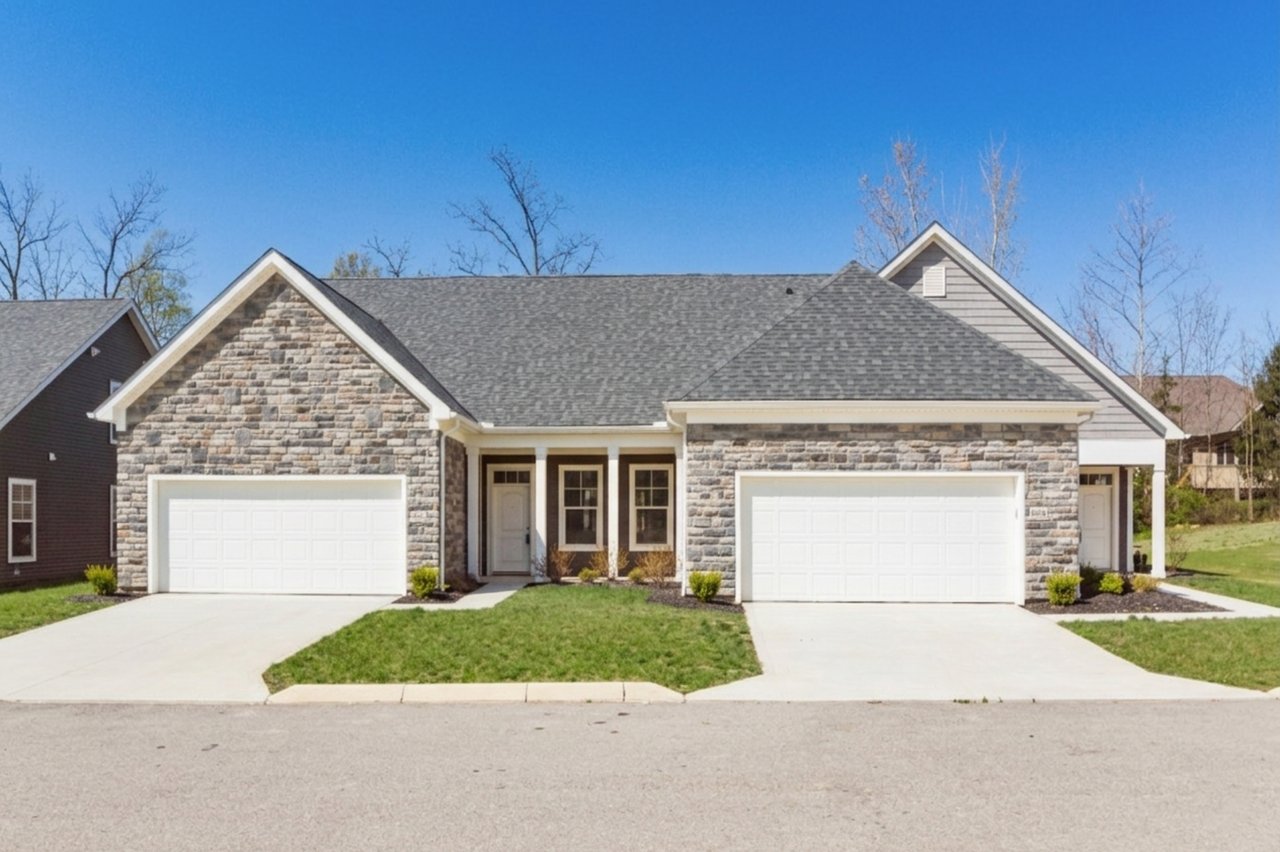
Many move-up buyers in Delaware County give new construction a serious look, and for good reason. A new build can offer the floor plan, finishes, storage, and energy efficiency that an older resale home simply wasn't built with.
But new construction changes the math for everyone. Builders often offer incentives such as rate buydowns, closing cost assistance, or design credits, and those incentives shift how resale homes have to compete in the same price range.
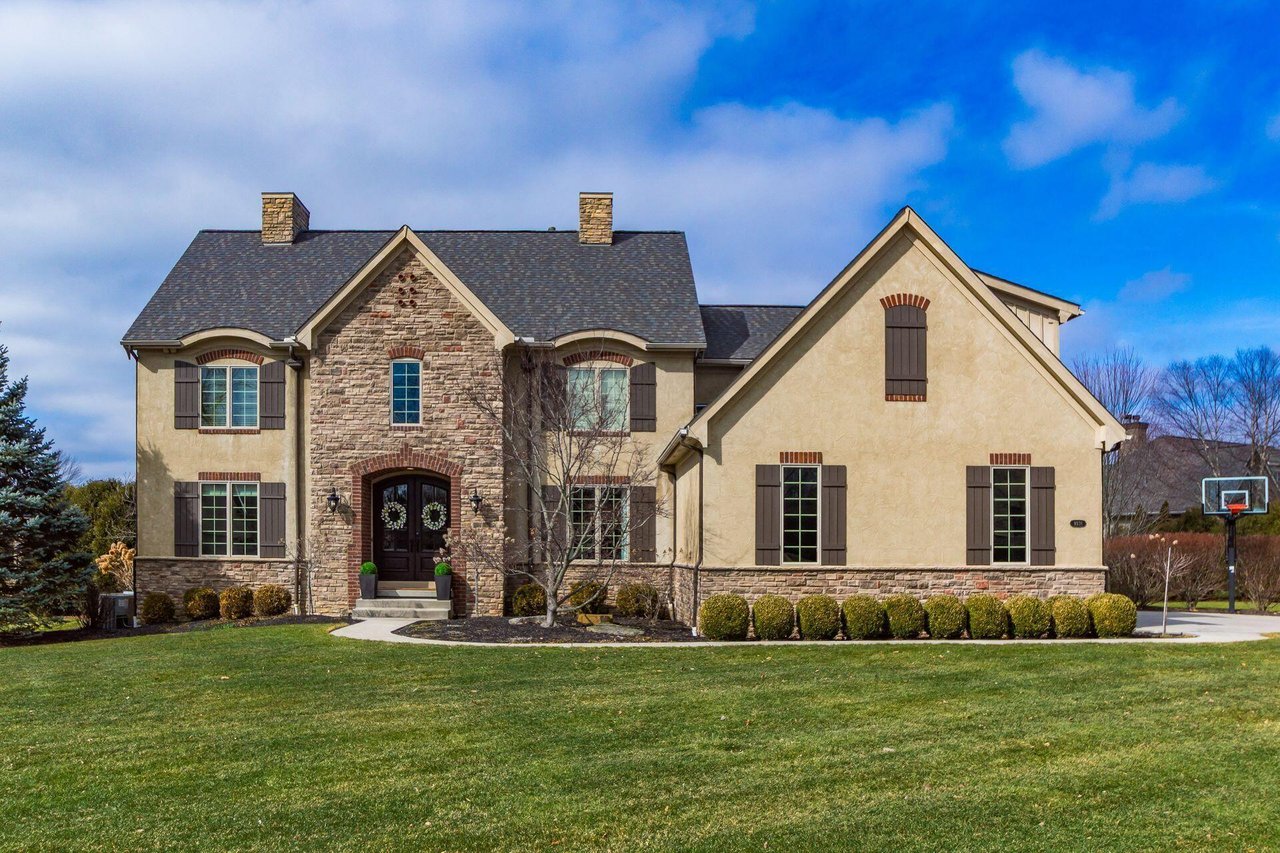
In practice, move-up buyers here are usually weighing established resale homes in Powell, Lewis Center, and Delaware against newer construction in Berlin Township, Galena, Sunbury, and the northern growth corridor. The right choice is rarely the newest or the largest home. It's the one that balances location, condition, schools, monthly payment, and long-term resale most effectively.
For sellers, this means resale advantages have to be made obvious rather than assumed: mature landscaping, finished outdoor living, immediate occupancy, completed upgrades, trail access, and proximity to parks and schools all count, but only if a buyer is actually shown their value.
Selling a Move-Up Home Requires Clear Positioning
A lot of Delaware County homes sit in an important middle ground. They're too valuable to market casually, but they don't need exaggerated luxury language either. What they need is clear positioning.
That means answering a specific set of questions before a home ever goes live: who is most likely to buy it, what it offers that's difficult to replace, how it stacks up against new construction nearby, and what objections are likely to come up during a showing. Buyers make decisions quickly. They need to understand why a home is worth choosing, not just read a list of its features.
The Trade-Offs Are Different at the Move-Up Level
First-time buyers are usually focused on affordability and getting into the market at all. Move-up buyers are weighing a longer list: space, schools, commute, resale value, interest rates, monthly payment, condition, lot size, and how the home will hold up ten years from now.
A few tensions come up again and again:
● A larger home solves a space problem but often creates a maintenance one.
● A newer home offers better function, but sometimes at the cost of a less convenient location.
● A bigger yard adds privacy but adds upkeep with it.
● A lower price often comes with a longer list of updates to make.
The goal isn't more house. It's the right next house, and that distinction changes almost every decision that follows.
Market Timing and Financing Right Now
Interest rates and inventory levels both affect a move-up purchase more than they affect a first home purchase, simply because there are two transactions to time instead of one. A rate shift can change what your current equity affords on the next home, and it can change how builders structure incentives on new construction. This is part of why a move-up plan should be built around your specific numbers rather than general market news. What matters is what your equity, your target price range, and current rates mean for your monthly payment, not the headline of the week.
What to Know Before Making the Next Move
If you're considering a move-up purchase in Delaware County or Central Ohio, the best first step usually isn't touring homes. It's understanding your position. Before you start, it helps to know:
● What your current home is likely worth today
● What would make it stronger before it goes on the market
● How much equity you have to work with
● What price range makes sense for the next purchase
● Which communities actually fit your priorities
● What competition your current home will face when it's listed
Once those answers are clear, the next move gets a lot easier to make with confidence.
How David & Kelly Ludwig Help Move-Up Clients
At Ludwig Real Estate Group, David and Kelly help clients think through the full move: the home being sold, the home being bought, the timing between the two, and every decision that touches both. For some clients that means preparing the current home before shopping seriously. For others it means locking in next-home criteria before listing or comparing resale against new construction line by line.
Features close deals. Emotion opens wallets. A move-up purchase works best when both get equal attention: the numbers that make a plan sound, and the readiness that makes a house feel like the right next home. With the right preparation, pricing, and timing, moving up should feel like progress, not pressure.
Frequently Asked Questions
Should I sell my current home before buying a move-up home?
It depends on your equity, financing, timing, and comfort with risk. Some buyers need to sell first, while others can buy before selling or negotiate timing that lets both transactions work together. Start by understanding your current home's value and your buying power before you make an offer.
Is new construction a good option for move-up buyers in Delaware County?
It can be, especially for buyers who want a newer floor plan, modern finishes, and builder incentives. Resale homes counter with established neighborhoods, completed upgrades, mature landscaping, and immediate occupancy. The right choice depends on your priorities, your timing, and your long-term plans.
What should I do first if I want to move up in Delaware County?
Start by understanding your current home's likely value, what it may need before listing, and how much equity you can put toward the next purchase. From there, you can compare communities, price ranges, resale options, new construction, and timing with a clearer plan.
How long does a move-up purchase typically take in Delaware County?
Most move-up timelines run three to six months from first strategy conversation to closing on the new home, though it can move faster with a bridge or slower in a tight inventory market. The timeline depends more on financing and sale strategy than on house hunting itself.